
Browsing Pathways
Showing 541191 -
541200 of 605359 pathways
| PathBank ID | Pathway Name and Description | Pathway Class | Chemical Compounds | Proteins |
|---|---|---|---|---|
SMP0130307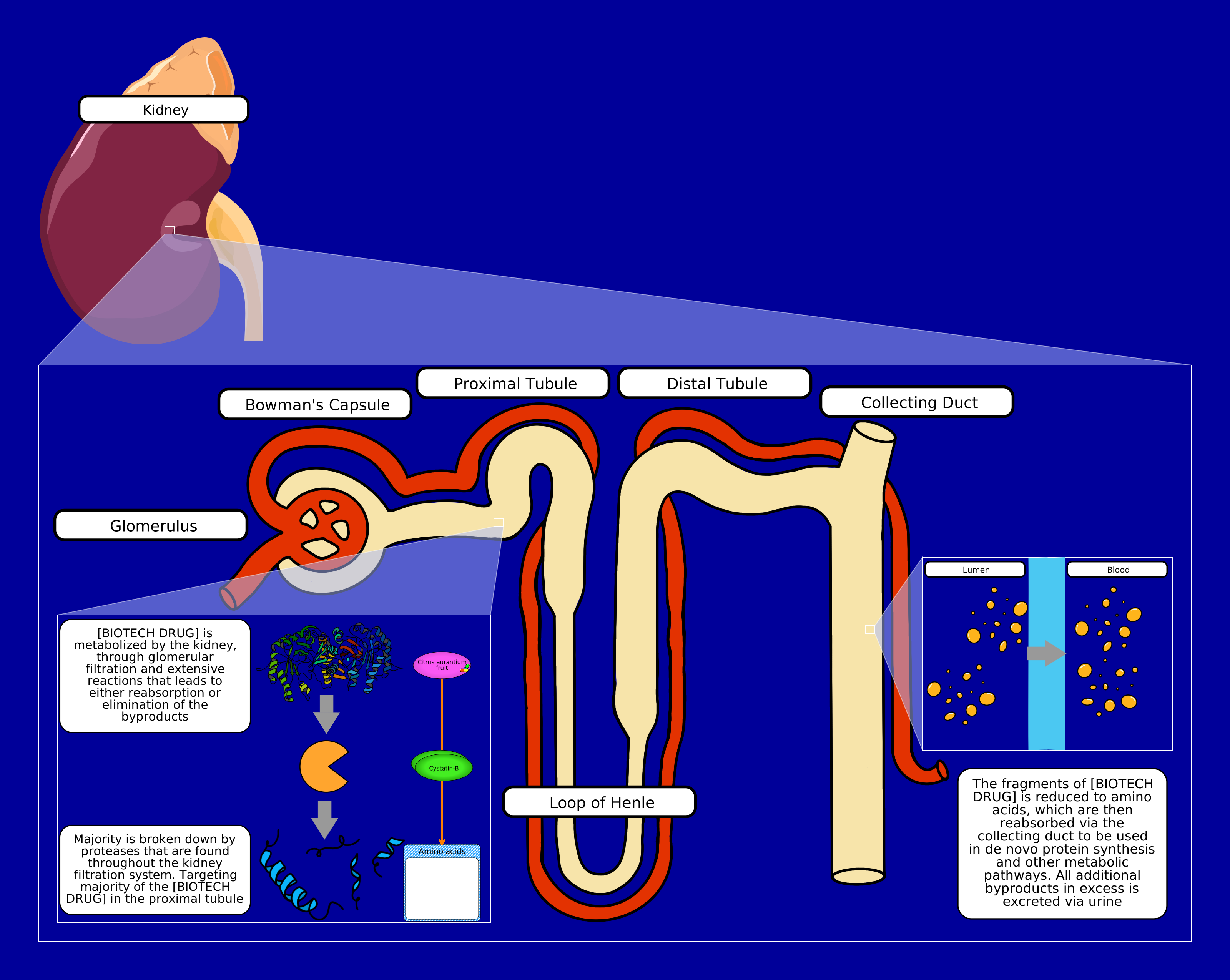 View Pathway
|
Citrus aurantium fruit Drug MetabolismHomo sapiens
|
Metabolite
Metabolic
|
|
|
SMP0130300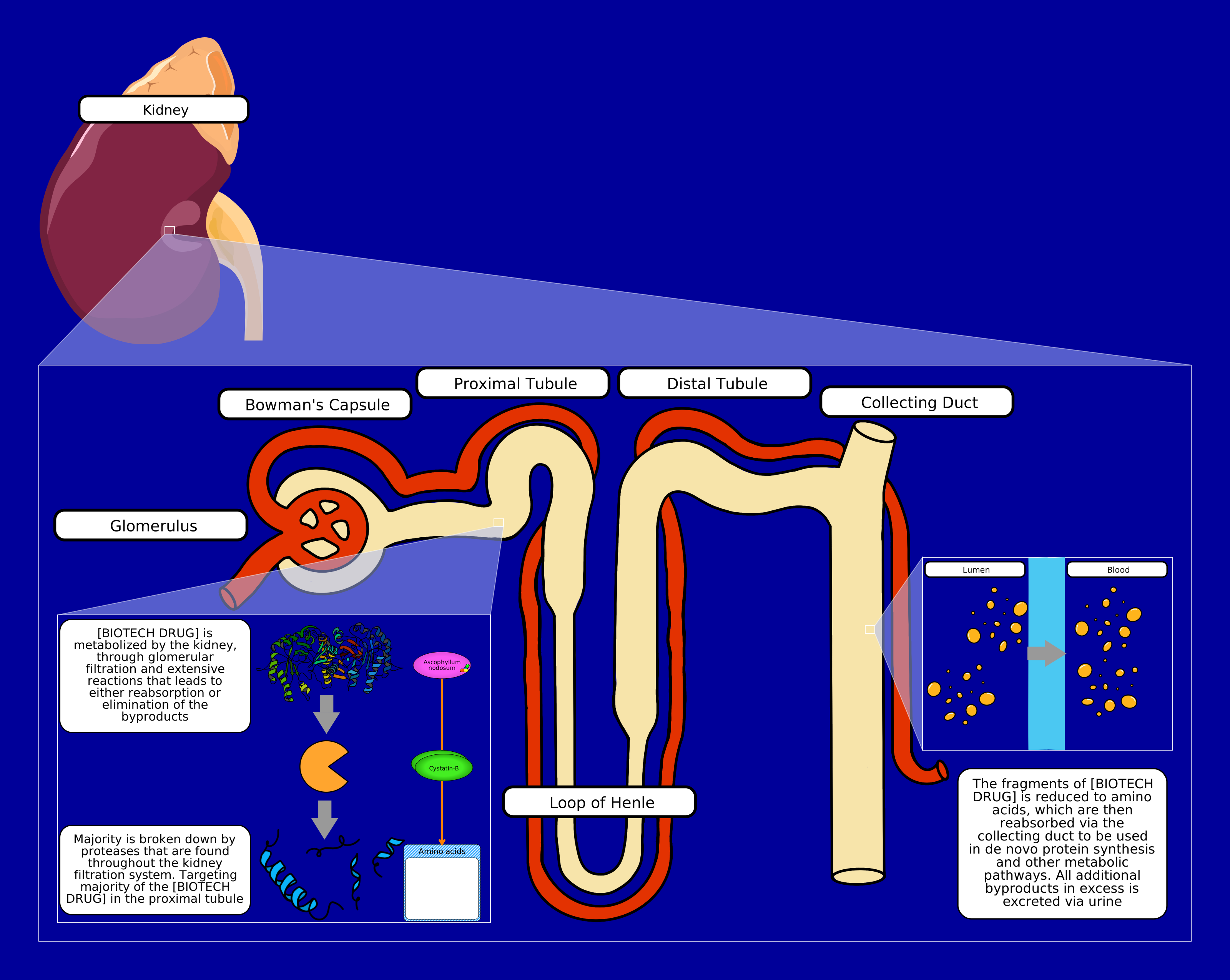 View Pathway
|
Ascophyllum nodosum Drug MetabolismHomo sapiens
|
Metabolite
Metabolic
|
|
|
SMP0130314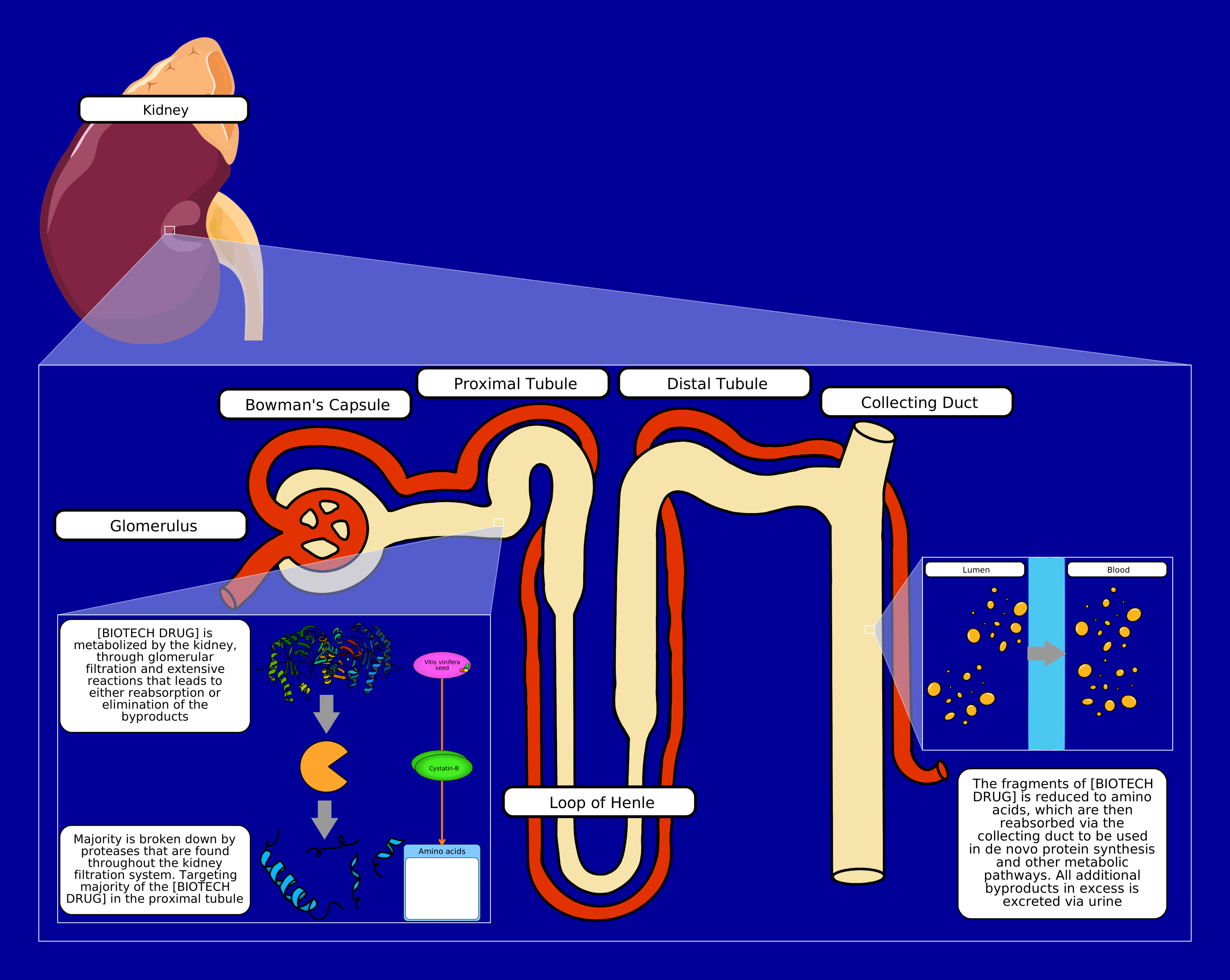 View Pathway
|
Vitis vinifera seed Drug MetabolismHomo sapiens
|
Metabolite
Metabolic
|
|
|
SMP0130302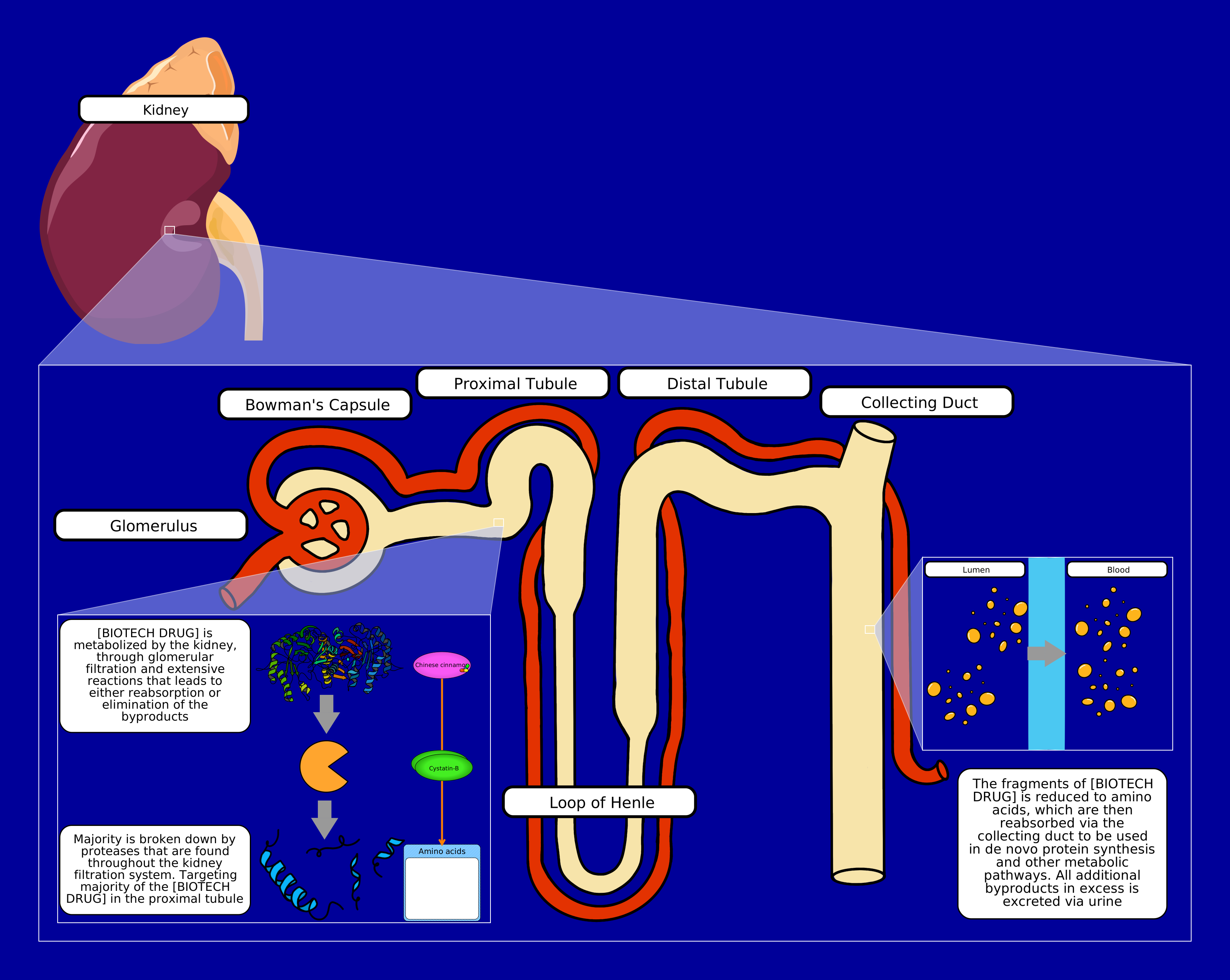 View Pathway
|
Chinese cinnamon Drug MetabolismHomo sapiens
|
Metabolite
Metabolic
|
|
|
SMP0130319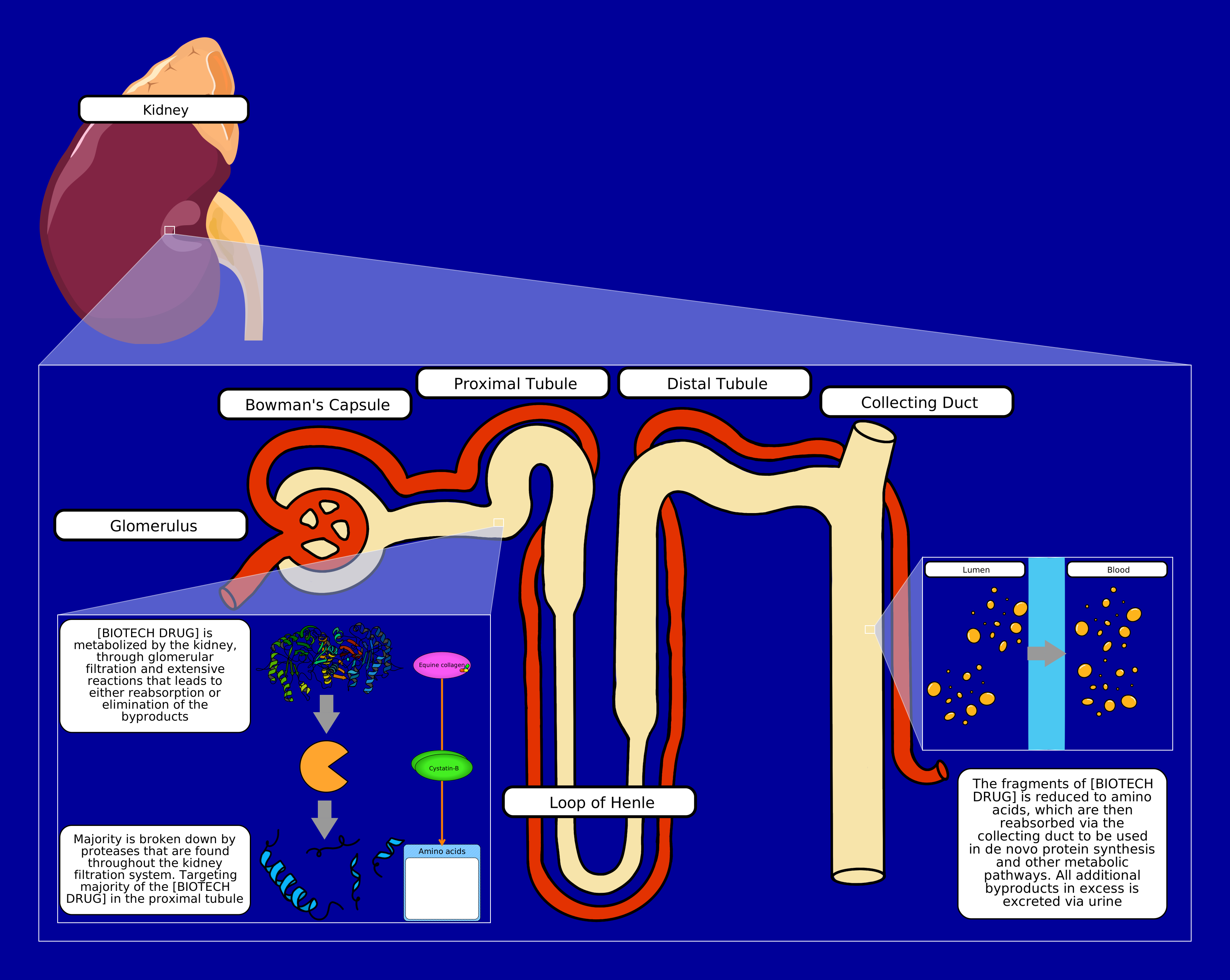 View Pathway
|
Equine collagen Drug MetabolismHomo sapiens
|
Metabolite
Metabolic
|
|
|
SMP0130338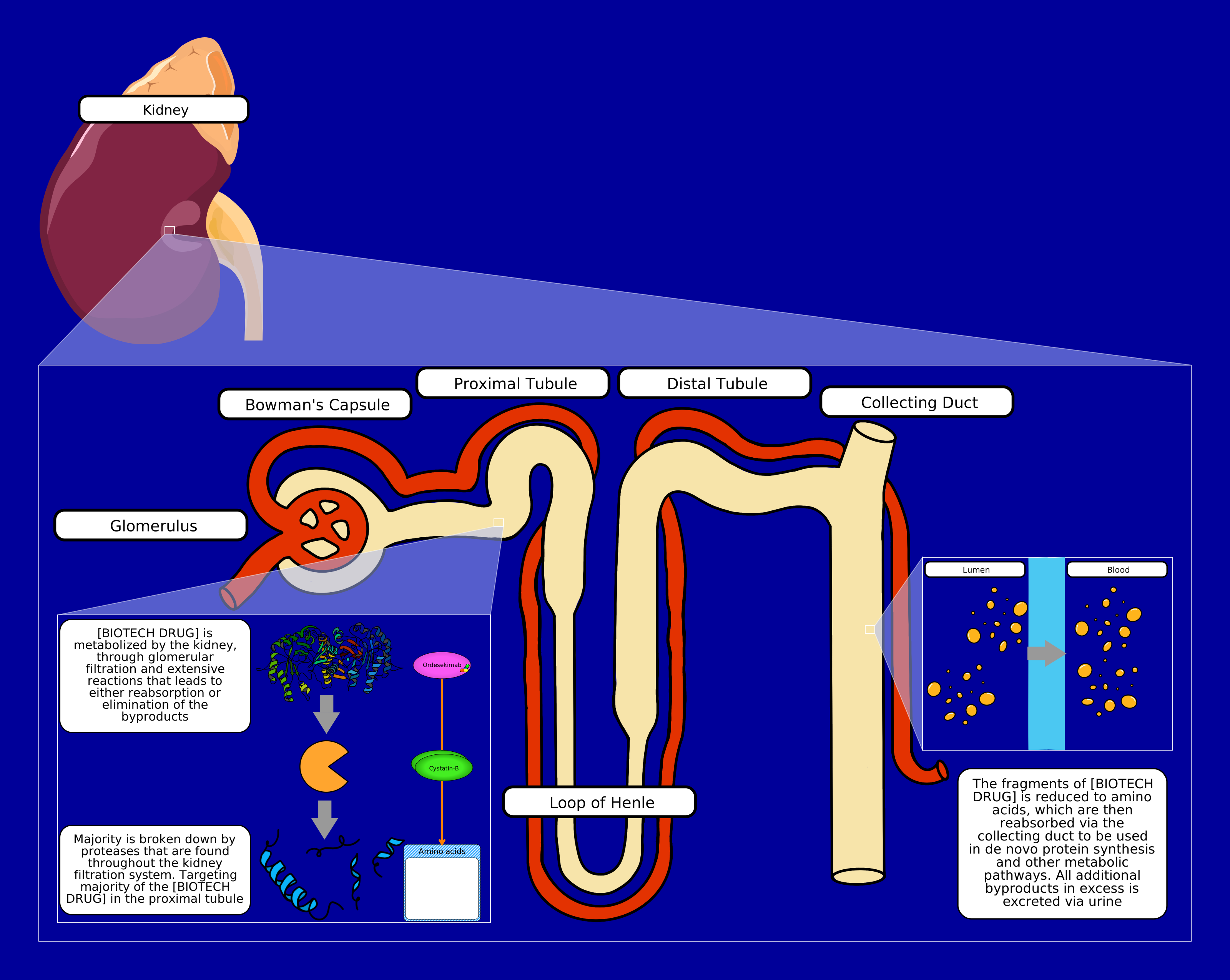 View Pathway
|
Ordesekimab Drug MetabolismHomo sapiens
|
Metabolite
Metabolic
|
|
|
SMP0130321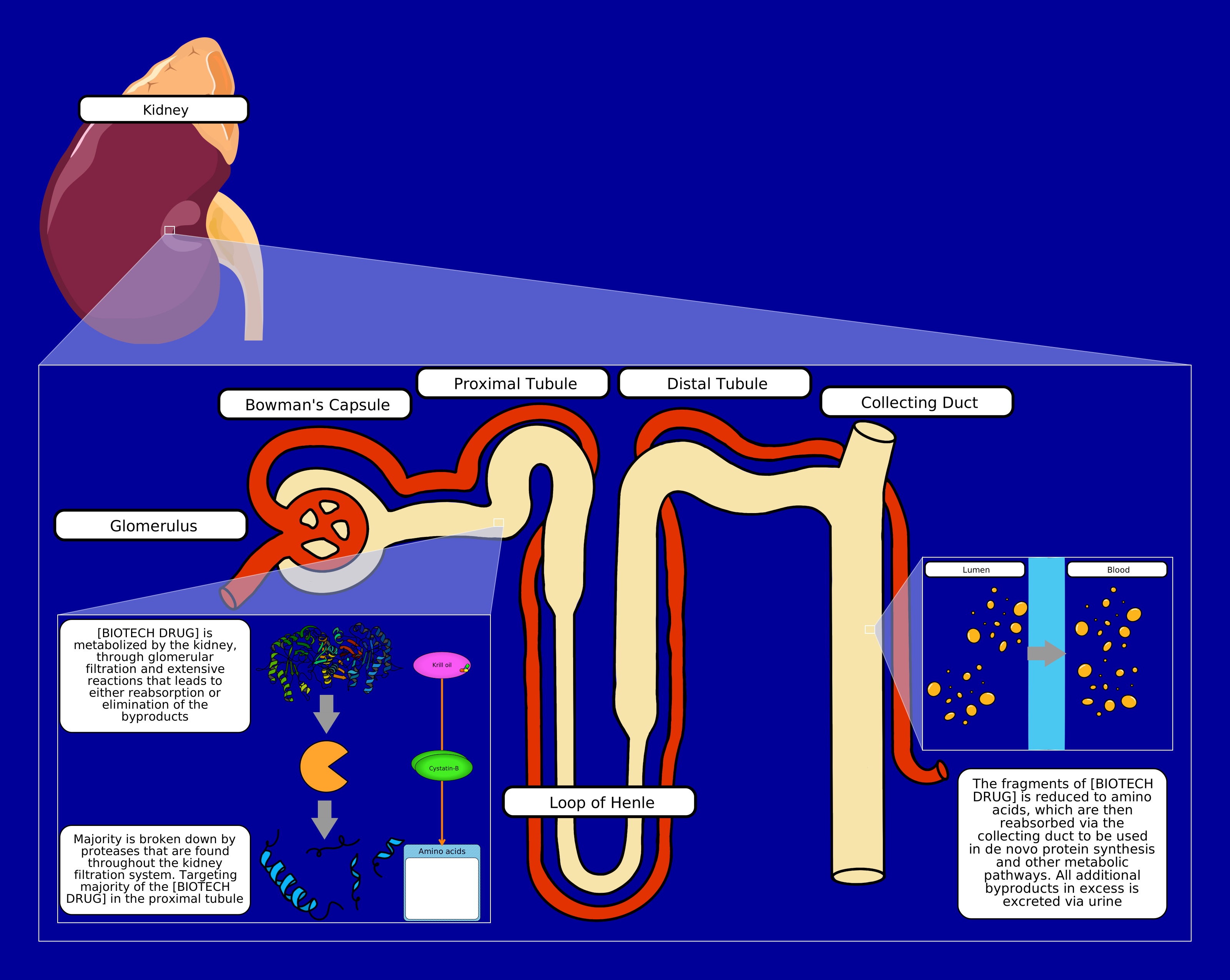 View Pathway
|
Krill oil Drug MetabolismHomo sapiens
|
Metabolite
Metabolic
|
|
|
SMP0131607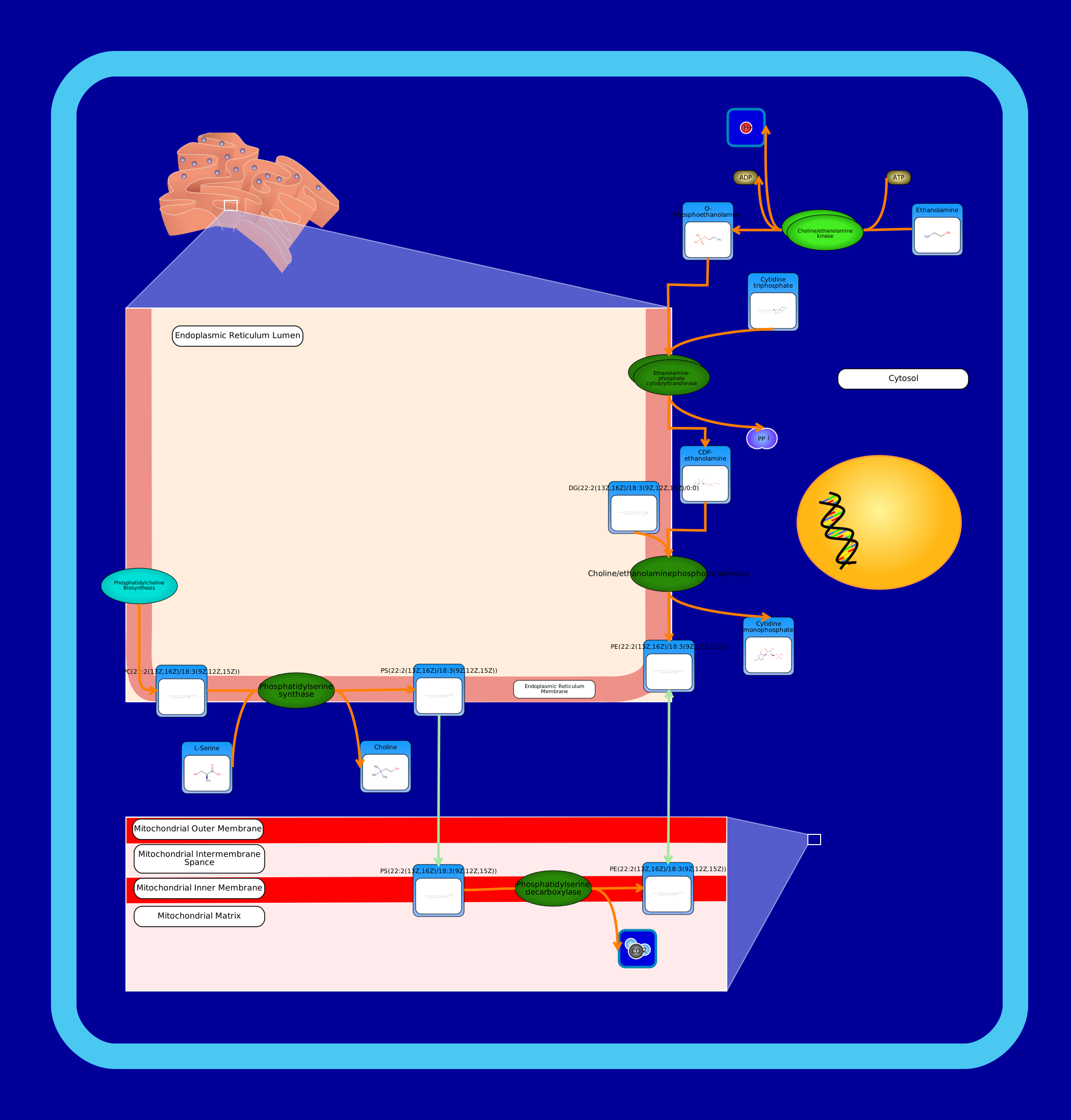 View Pathway
|
Phosphatidylethanolamine Biosynthesis PE(22:2(13Z,16Z)/18:3(9Z,12Z,15Z))Mus musculus
Phosphatidylethanolamines (PE) are a class of phospholipids that incorporate a phosphoric acid headgroup into a diacylglycerol backbone. They are the second most abundant phospholipid in eukaryotic cell membranes, and contrary to phosphatidylcholine, it is concentrated with phosphatidylserine in the cell membrane's inner leaflet. In Homo sapiens, there exist two phosphatidylethanolamine biosynthesis pathways. In the visualization, all enzymes that are dark green in colour are membrane-localized. The first pathway synthesizes phosphatidylethanolamine from ethanolamine via the Kennedy pathway. First, the cytosol-localized enzyme choline/ethanolamine kinase catalyzes the conversion of choline into phosphocholine. Second, choline-phosphate cytidylyltransferase, localized to the endoplasmic reticulum membrane, catalyzes the conversion of phosphocholine to CDP-choline. Last, choline/ethanolaminephosphotransferase catalyzes phosphatidylcholine biosynthesis from CDP-choline. It requires either magnesium or manganese ions as cofactors. Phosphatidylethanolamine is also synthesized from phosphatidylserine at the mitochondrial inner membrane by phosphatidylserine decarboxylase. Phosphatidylserine, itself, is synthesized using a base-exchange reaction with phosphatidylcholine. This reaction is catalyzed by phosphatidylserine synthase which is located in the endoplasmic reticulum membrane.
|
Metabolite
Metabolic
|
|
|
SMP0131614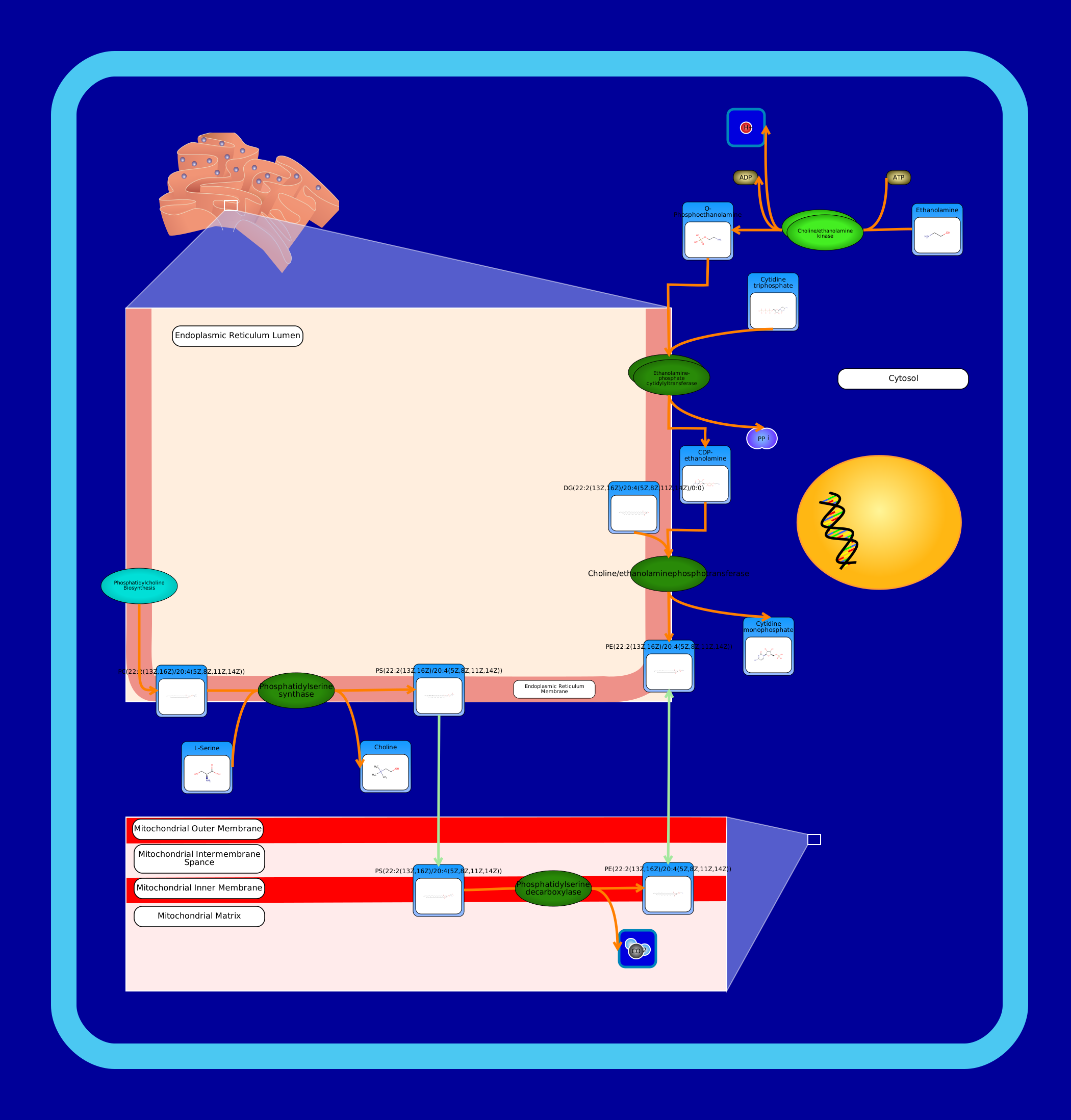 View Pathway
|
Phosphatidylethanolamine Biosynthesis PE(22:2(13Z,16Z)/20:4(5Z,8Z,11Z,14Z))Mus musculus
Phosphatidylethanolamines (PE) are a class of phospholipids that incorporate a phosphoric acid headgroup into a diacylglycerol backbone. They are the second most abundant phospholipid in eukaryotic cell membranes, and contrary to phosphatidylcholine, it is concentrated with phosphatidylserine in the cell membrane's inner leaflet. In Homo sapiens, there exist two phosphatidylethanolamine biosynthesis pathways. In the visualization, all enzymes that are dark green in colour are membrane-localized. The first pathway synthesizes phosphatidylethanolamine from ethanolamine via the Kennedy pathway. First, the cytosol-localized enzyme choline/ethanolamine kinase catalyzes the conversion of choline into phosphocholine. Second, choline-phosphate cytidylyltransferase, localized to the endoplasmic reticulum membrane, catalyzes the conversion of phosphocholine to CDP-choline. Last, choline/ethanolaminephosphotransferase catalyzes phosphatidylcholine biosynthesis from CDP-choline. It requires either magnesium or manganese ions as cofactors. Phosphatidylethanolamine is also synthesized from phosphatidylserine at the mitochondrial inner membrane by phosphatidylserine decarboxylase. Phosphatidylserine, itself, is synthesized using a base-exchange reaction with phosphatidylcholine. This reaction is catalyzed by phosphatidylserine synthase which is located in the endoplasmic reticulum membrane.
|
Metabolite
Metabolic
|
|
|
SMP0131595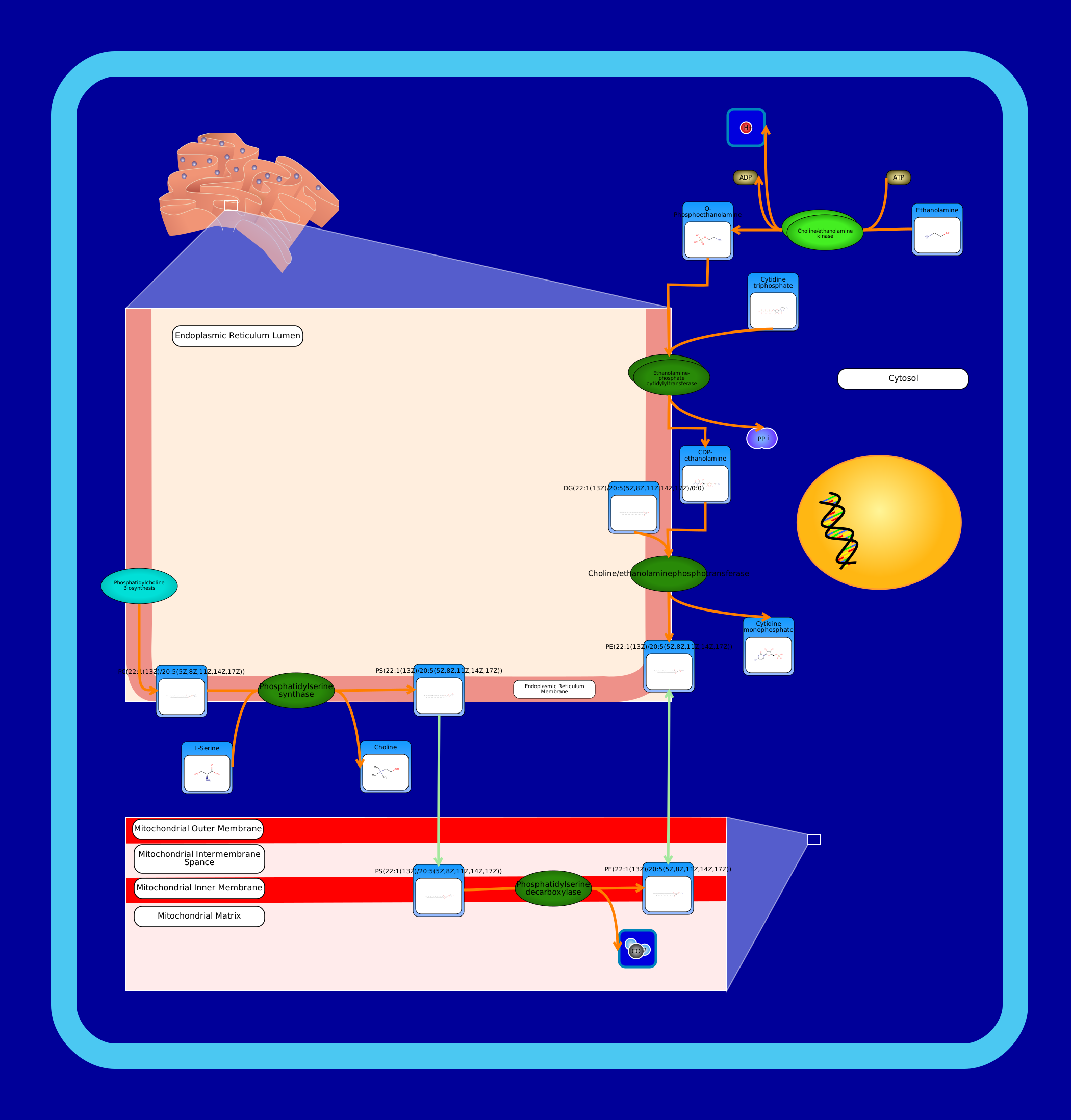 View Pathway
|
Phosphatidylethanolamine Biosynthesis PE(22:1(13Z)/20:5(5Z,8Z,11Z,14Z,17Z))Mus musculus
Phosphatidylethanolamines (PE) are a class of phospholipids that incorporate a phosphoric acid headgroup into a diacylglycerol backbone. They are the second most abundant phospholipid in eukaryotic cell membranes, and contrary to phosphatidylcholine, it is concentrated with phosphatidylserine in the cell membrane's inner leaflet. In Homo sapiens, there exist two phosphatidylethanolamine biosynthesis pathways. In the visualization, all enzymes that are dark green in colour are membrane-localized. The first pathway synthesizes phosphatidylethanolamine from ethanolamine via the Kennedy pathway. First, the cytosol-localized enzyme choline/ethanolamine kinase catalyzes the conversion of choline into phosphocholine. Second, choline-phosphate cytidylyltransferase, localized to the endoplasmic reticulum membrane, catalyzes the conversion of phosphocholine to CDP-choline. Last, choline/ethanolaminephosphotransferase catalyzes phosphatidylcholine biosynthesis from CDP-choline. It requires either magnesium or manganese ions as cofactors. Phosphatidylethanolamine is also synthesized from phosphatidylserine at the mitochondrial inner membrane by phosphatidylserine decarboxylase. Phosphatidylserine, itself, is synthesized using a base-exchange reaction with phosphatidylcholine. This reaction is catalyzed by phosphatidylserine synthase which is located in the endoplasmic reticulum membrane.
|
Metabolite
Metabolic
|
|
Showing 541191 -
541200 of 541248 pathways