
| PathWhiz ID | Pathway | Meta Data |
|---|---|---|
PW000024 View Pathway
|
Folate MetabolismHomo sapiens
Folate, or folic acid, is a very important B-vitamin involved in cell creation and preservation, as well as the protection of DNA from mutations that can cause cancer. It is commonly found in leafy green vegetables, but is also present in many other foods such as fruit, dairy products, eggs and meat. Folate is imperative during pregnancy as a deficiency will cause neural tube defects in the offspring. Many countries around the world now fortify foods with folic acid to prevent such defects. This pathway begins in the extracellular space, where folic acid is transported into the cell through a proton-coupled folate transporter. From there, dihydrofolate reductase converts folic acid into dihydrofolic acid. Dihydrofolic acid is then created into tetrahydrofolic acid through dihydrofolate reductase. Tetrahydrofolic acid then sparks the beginning of many reactions and subpathways including purine metabolism and histidine metabolism. There are two reactions that tetrahydrofolic acid undergoes, the first being the catalyzation into tetrahydrofolyl-[glu](2) through the enzyme folylpolyglutamate synthase in the mitochondria. Then, tetrahydrofolyl-[glu](2) becomes tetrahydrofolyl-[glu](n) through folylpolyglutamate synthase. The cycle ends with tetrahydrofolyl-[glu](n) reverting to tetrahydrofolyl-[glu](2) in the lysosome through the enzyme gamma-glutamyl hydrolase. The second reaction that begins with tetrahydrofolic acid sees tetrahydrofolic acid turned into 10-formyltetrahydrofolate through c-1-tetrahydrofolate synthase. This loop is completed by cytosolic 10-formyltetrahydrofolate dehydrogenase reverting 10-formyltetrahydrofolate back to tetrahydrofolic acid. Folate is not stored in the body for very long, as it is a water soluble vitamin and is excreted through urine, so it is important to ingest it continually, as your body’s level of folate will decline after a few weeks if the vitamin is avoided.
|
Creator: WishartLab Created On: August 01, 2013 at 13:54 Last Updated: August 01, 2013 at 13:54 |
PW088215 View Pathway
|
Folate MetabolismBos taurus
Folate, or folic acid, is a very important B-vitamin involved in cell creation and preservation, as well as the protection of DNA from mutations that can cause cancer. It is commonly found in leafy green vegetables, but is also present in many other foods such as fruit, dairy products, eggs and meat. Folate is imperative during pregnancy as a deficiency will cause neural tube defects in the offspring. Many countries around the world now fortify foods with folic acid to prevent such defects. This pathway begins in the extracellular space, where folic acid is transported into the cell through a proton-coupled folate transporter. From there, dihydrofolate reductase converts folic acid into dihydrofolic acid. Dihydrofolic acid is then created into tetrahydrofolic acid through dihydrofolate reductase. Tetrahydrofolic acid then sparks the beginning of many reactions and subpathways including purine metabolism and histidine metabolism. There are two reactions that tetrahydrofolic acid undergoes, the first being the catalyzation into tetrahydrofolyl-[glu](2) through the enzyme folylpolyglutamate synthase in the mitochondria. Then, tetrahydrofolyl-[glu](2) becomes tetrahydrofolyl-[glu](n) through folylpolyglutamate synthase. The cycle ends with tetrahydrofolyl-[glu](n) reverting to tetrahydrofolyl-[glu](2) in the lysosome through the enzyme gamma-glutamyl hydrolase. The second reaction that begins with tetrahydrofolic acid sees tetrahydrofolic acid turned into 10-formyltetrahydrofolate through c-1-tetrahydrofolate synthase. This loop is completed by cytosolic 10-formyltetrahydrofolate dehydrogenase reverting 10-formyltetrahydrofolate back to tetrahydrofolic acid. Folate is not stored in the body for very long, as it is a water soluble vitamin and is excreted through urine, so it is important to ingest it continually, as your body’s level of folate will decline after a few weeks if the vitamin is avoided.
|
Creator: Ana Marcu Created On: August 10, 2018 at 11:16 Last Updated: August 10, 2018 at 11:16 |
PW000778 View Pathway
|
Folate MetabolismMus musculus
Folate, or folic acid, is a very important B-vitamin involved in cell creation and preservation, as well as the protection of DNA from mutations that can cause cancer. It is commonly found in leafy green vegetables, but is also present in many other foods such as fruit, dairy products, eggs and meat. Folate is imperative during pregnancy as a deficiency will cause neural tube defects in the offspring. Many countries around the world now fortify foods with folic acid to prevent such defects. This pathway begins in the extracellular space, where folic acid is transported into the cell through a proton-coupled folate transporter. From there, dihydrofolate reductase converts folic acid into dihydrofolic acid. Dihydrofolic acid is then created into tetrahydrofolic acid through dihydrofolate reductase. Tetrahydrofolic acid then sparks the beginning of many reactions and subpathways including purine metabolism and histidine metabolism. There are two reactions that tetrahydrofolic acid undergoes, the first being the catalyzation into tetrahydrofolyl-[glu](2) through the enzyme folylpolyglutamate synthase in the mitochondria. Then, tetrahydrofolyl-[glu](2) becomes tetrahydrofolyl-[glu](n) through folylpolyglutamate synthase. The cycle ends with tetrahydrofolyl-[glu](n) reverting to tetrahydrofolyl-[glu](2) in the lysosome through the enzyme gamma-glutamyl hydrolase. The second reaction that begins with tetrahydrofolic acid sees tetrahydrofolic acid turned into 10-formyltetrahydrofolate through c-1-tetrahydrofolate synthase. This loop is completed by cytosolic 10-formyltetrahydrofolate dehydrogenase reverting 10-formyltetrahydrofolate back to tetrahydrofolic acid. Folate is not stored in the body for very long, as it is a water soluble vitamin and is excreted through urine, so it is important to ingest it continually, as your body’s level of folate will decline after a few weeks if the vitamin is avoided.
|
Creator: Allison Pon Created On: February 16, 2015 at 10:33 Last Updated: February 16, 2015 at 10:33 |
PW088399 View Pathway
|
Folate MetabolismDrosophila melanogaster
Folate, or folic acid, is a very important B-vitamin involved in cell creation and preservation, as well as the protection of DNA from mutations that can cause cancer. It is commonly found in leafy green vegetables, but is also present in many other foods such as fruit, dairy products, eggs and meat. Folate is imperative during pregnancy as a deficiency will cause neural tube defects in the offspring. Many countries around the world now fortify foods with folic acid to prevent such defects. This pathway begins in the extracellular space, where folic acid is transported into the cell through a proton-coupled folate transporter. From there, dihydrofolate reductase converts folic acid into dihydrofolic acid. Dihydrofolic acid is then created into tetrahydrofolic acid through dihydrofolate reductase. Tetrahydrofolic acid then sparks the beginning of many reactions and subpathways including purine metabolism and histidine metabolism. There are two reactions that tetrahydrofolic acid undergoes, the first being the catalyzation into tetrahydrofolyl-[glu](2) through the enzyme folylpolyglutamate synthase in the mitochondria. Then, tetrahydrofolyl-[glu](2) becomes tetrahydrofolyl-[glu](n) through folylpolyglutamate synthase. The cycle ends with tetrahydrofolyl-[glu](n) reverting to tetrahydrofolyl-[glu](2) in the lysosome through the enzyme gamma-glutamyl hydrolase. The second reaction that begins with tetrahydrofolic acid sees tetrahydrofolic acid turned into 10-formyltetrahydrofolate through c-1-tetrahydrofolate synthase. This loop is completed by cytosolic 10-formyltetrahydrofolate dehydrogenase reverting 10-formyltetrahydrofolate back to tetrahydrofolic acid. Folate is not stored in the body for very long, as it is a water soluble vitamin and is excreted through urine, so it is important to ingest it continually, as your body’s level of folate will decline after a few weeks if the vitamin is avoided.
|
Creator: Ana Marcu Created On: August 10, 2018 at 15:44 Last Updated: August 10, 2018 at 15:44 |
PW012925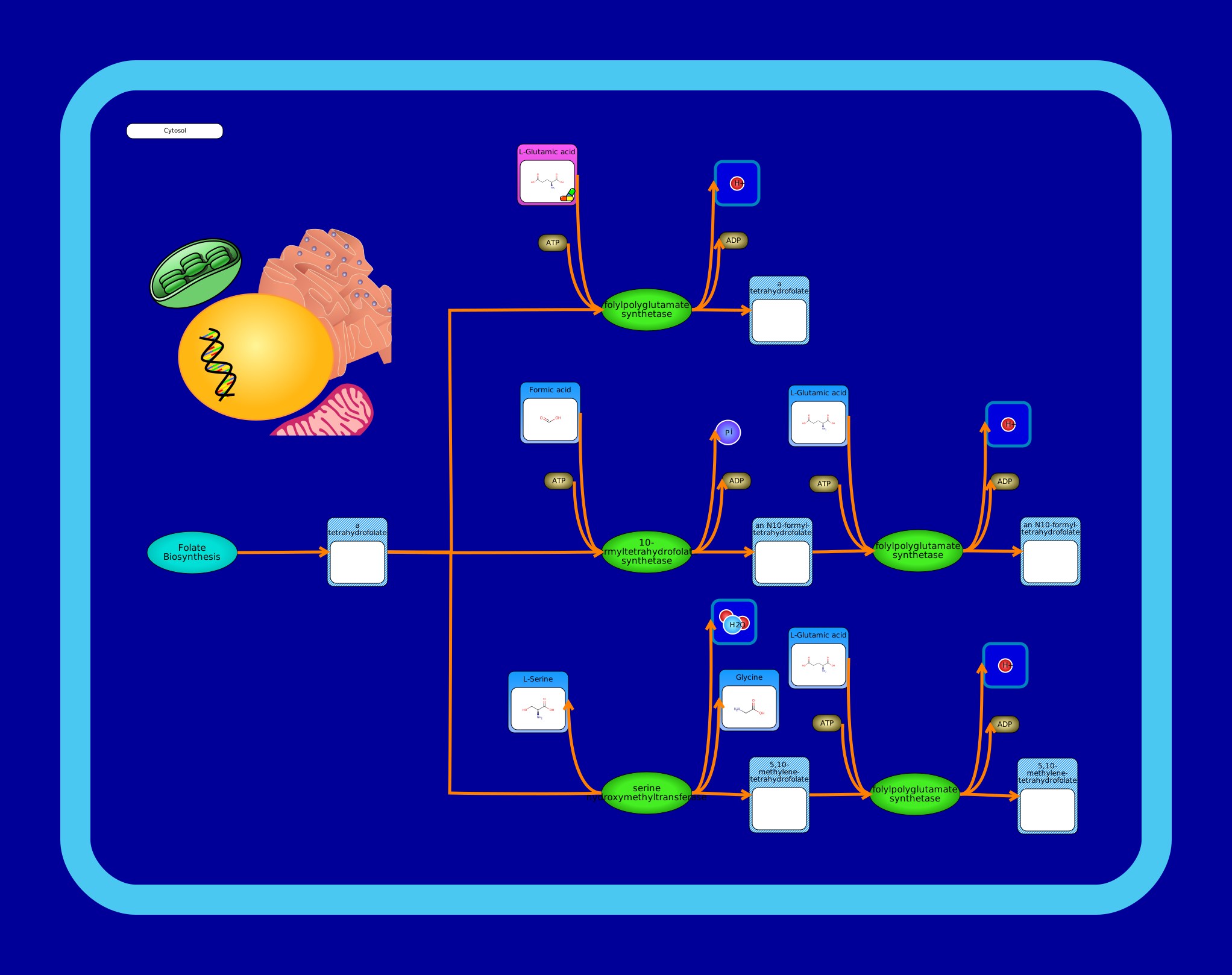 View Pathway
|
Folate PolyglutamylationArabidopsis thaliana
Tetrahydrofolate is an essential cofactor that takes part in various enzymatic reactions as a carrier for one-carbon units. Most folates are further modified to form folate polyglutamates via consecutive additions of glutamate residues to the their gamma-carboxylate groups. This can serve many purposes including retention of the folates within the cell and an increase in their binding strength. Folate (and folate derivatives) polyglutamylation occurs in the cytosol. Tetrahydrofolate can be synthesized into two derivatives: a N10-formyl-tetrahydrofolate (catalyzed by 10-formyltetrahydrofolate synthetase) and a 5,10-methylene-tetrahydrofolate (catalyzed by serine hydroxymethyltransferase). Next, the enzyme polylpolyglutamate synthetase catalyzes the addition of a glutamate residue to tetrahydrofolate (or tetrahydrofolate derviative) in folate polyglutamylation. This includes tetrahydropteroyl-[gamma-Glu](n) becoming tetrahydropteroyl-[gamma-Glu](n+1), methylene-tetrahydropteroyl-[gamma-Glu](n) becoming methylene-tetrahydropteroyl-[gamma-Glu](n+1), and 10-formyl-tetrahydropteroyl-[gamma-Glu](n) becoming 10-formyl-tetrahydropteroyl-[gamma-Glu](n+1).
|
Creator: Carin Li Created On: February 24, 2017 at 16:24 Last Updated: February 24, 2017 at 16:24 |
PW126718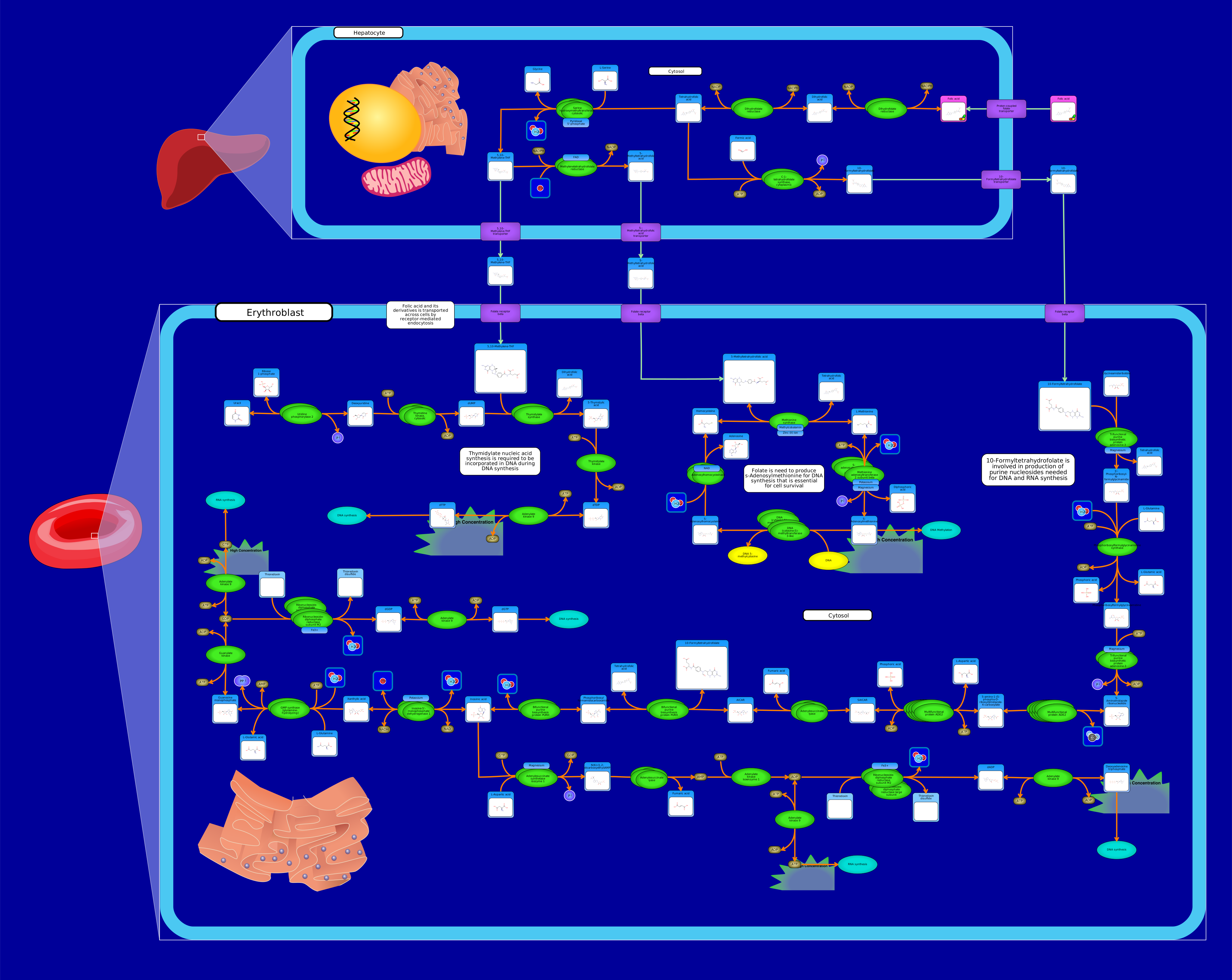 View Pathway
|
drug action
Folic acid Action Pathway (New)Homo sapiens
Folic acid is a nutrient used to treat megaloblastic anemia and is found in many supplements. Folic acid, also known as folate or Vitamin B9, is a member of the B vitamin family and an essential cofactor for enzymes involved in DNA and RNA synthesis. More specifically, folic acid is required by the body for the synthesis of purines, pyrimidines, and methionine before incorporation into DNA or protein. Folic acid is particularly important during phases of rapid cell division, such as infancy, pregnancy, and erythropoiesis, and plays a protective factor in the development of cancer. As humans are unable to synthesize folic acid endogenously, diet and supplementation is necessary to prevent deficiencies. For example, folic acid is present in green vegetables, beans, avocado, and some fruits. Inadequate folate levels can result in a number of health concerns including cardiovascular disease, megaloblastic anemias, cognitive deficiencies, and neural tube defects (NTDs). Folic acid is typically supplemented during pregnancy to prevent the development of NTDs and in individuals with alcoholism to prevent the development of neurological disorders, for example. In order to function within the body, folic acid must first be reduced in the liver by the enzyme dihydrofolate reductase (DHFR) into the cofactors dihydrofolate (DHF) and tetrahydrofolate (THF). THF is converted to 5,10-Methylene-THF. 5,10-Methylene-THF is involved in the metabolism of the purine uracil. Uracil is converted to deoxyuridine by the enzyme Uridine phosphorylase 2, then to deoxyuridine monophosphate using the enzyme thymidine synthase. Thymidylate synthase requires 5,10-Methylene-THF to be converted deoxyuridine monophosphate to deoxythymidine monophosphate. This same enzyme converts deoxythymidine monophosphate to deoxythymidine diphosphate. Finally, deoxythymidine diphosphate forms deoxythymdine triphosphate via the enzyme adenylate kinase 9. Deoxythymdine triphosphate is required for DNA synthesis. 5,10-Methylene-THF can also be converted to 5-Methyltetrahydrofolic acid in the liver. 5-Methyltetrahydrofolic acid converts homocysteine to methionine in erythroblasts. Tetrahydrofolic acid can also form 10-Formyltetrahydrofolate which is used in purine metabolism. This reaction cascade eventually leads to the formation of GTP and ATP which are used in RNA synthesis. The nculeosides dGTP and dATP are also formed, and these are essential for DNA synthesis. Methionine is needed to form s-adenosylmethionine through the enzyme methionine adenosyltransferase. S-Adenosylmethionine is used in DNA methylation. DNA methylation is necessary to regulate gene expression, among other things. In erythropoiesis, erythroblasts are undergoing proliferation and differentiation to form erythrocytes, lots of DNA replication. Deficiency of folate inhibits purine and thymidylate syntheses, impairs DNA synthesis, and causes erythroblast apoptosis, resulting in anemia from ineffective erythropoiesis (megaloblastic anemia). Therefore, folate is needed for erythroblasts to survive proliferation and differentiation to form healthy erythrocytes.
|
Creator: Karxena Harford Created On: March 10, 2022 at 05:13 Last Updated: March 10, 2022 at 05:13 |
PW144295 View Pathway
|
drug action
Folic acid Drug Metabolism Action PathwayHomo sapiens
|
Creator: Ray Kruger Created On: October 07, 2023 at 13:19 Last Updated: October 07, 2023 at 13:19 |
PW129377 View Pathway
|
Follitropin Drug MetabolismHomo sapiens
|
Creator: Selena Created On: September 14, 2023 at 18:23 Last Updated: September 14, 2023 at 18:23 |
PW145299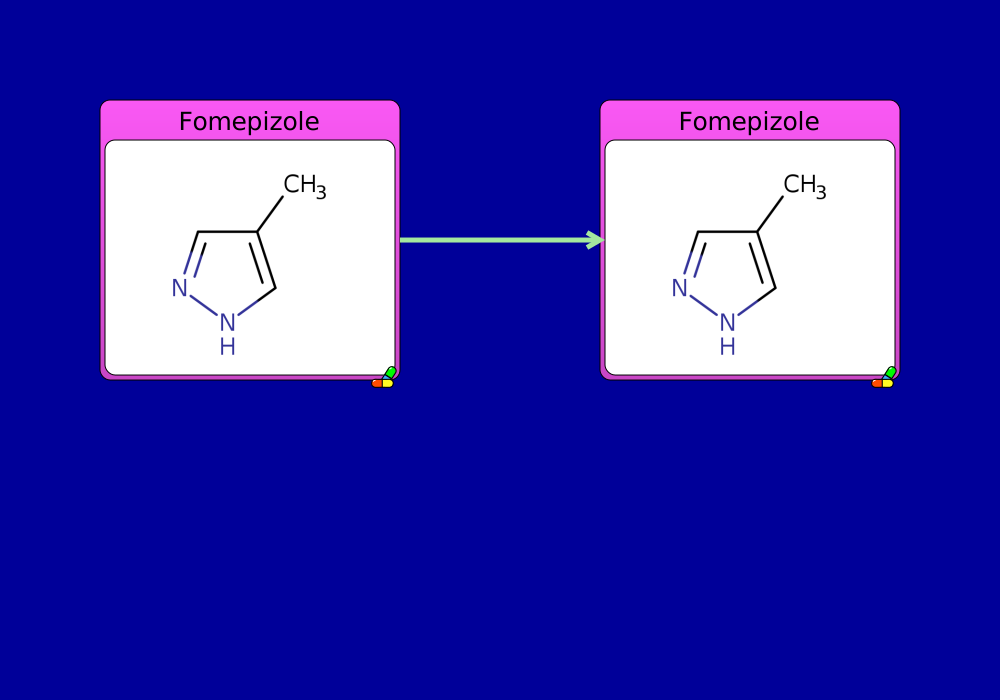 View Pathway
|
drug action
Fomepizole Drug Metabolism Action PathwayHomo sapiens
|
Creator: Ray Kruger Created On: October 07, 2023 at 15:30 Last Updated: October 07, 2023 at 15:30 |
PW128040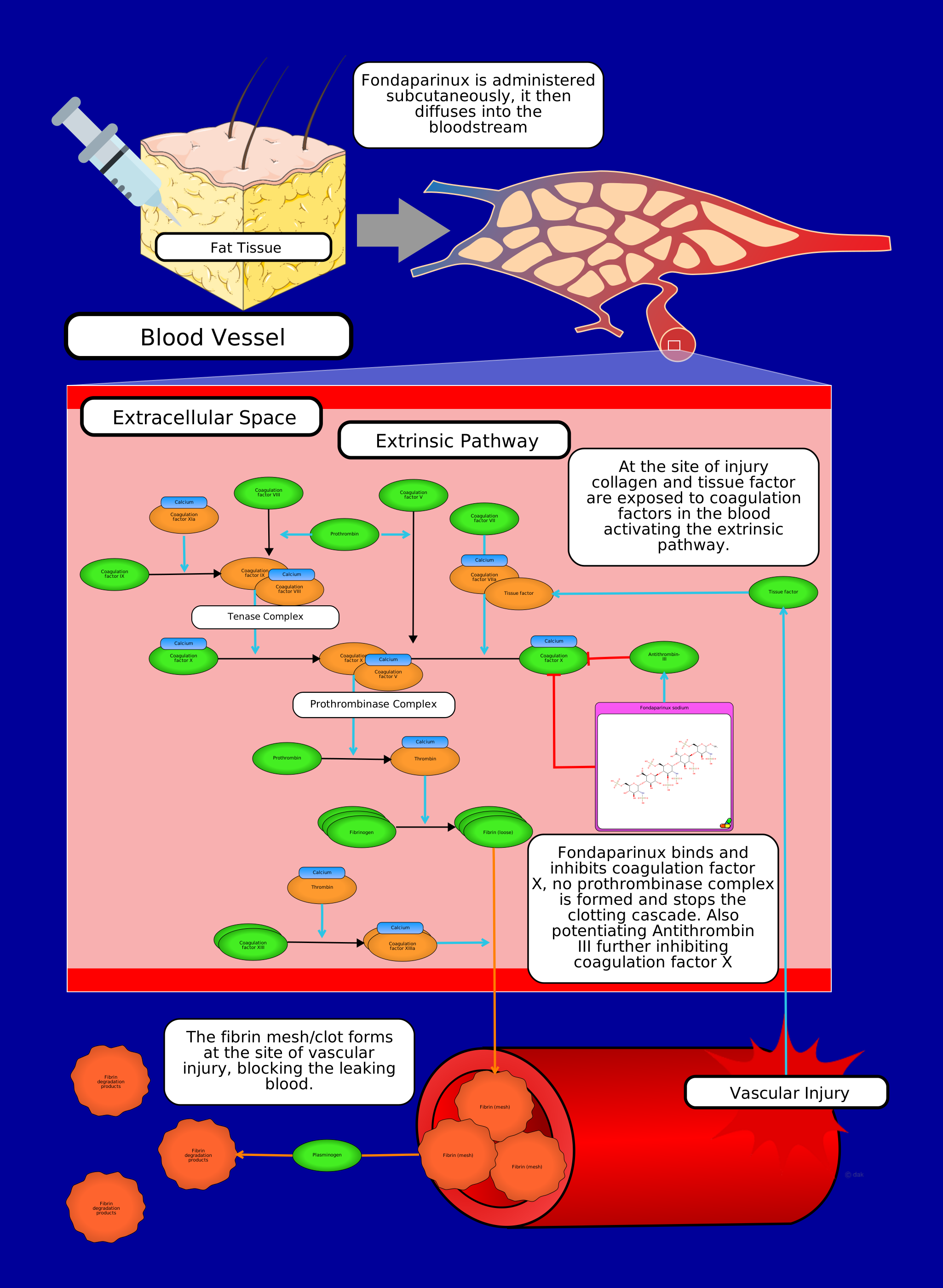 View Pathway
|
drug action
Fondaparinux Action PathwayHomo sapiens
Fondaparinux is an anticoagulant mainly used to treat venous thromboembolism, this is accomplished by inhibiting Factor X, stopping the formation of the prothrombinase complex which halts thrombus formation. By inhibiting Factor X the conversion of prothrombin to thrombin cannot occur which subsequently stops the conversion of fibrinogen to fibrin. Without fibrin, the meshwork to form a thrombus or blood clot is inhibited. It is further potentiated as fondaparinux activates antithrombin III that also inhibits coagulation factor X. It is administered via subcutaneous injection, it is not metabolized but rather excreted via the kidney function unchanged or altered. Caution should be taken as with any anticoagulant as there is a higher risk of bleeding and or hemorrhage. Avoiding herbs and supplements with anticoagulant and antiplatelet activity such as garlic, ginger, ginseng and ginkgo.
|
Creator: Selena Created On: July 06, 2023 at 11:15 Last Updated: July 06, 2023 at 11:15 |