
| PathWhiz ID | Pathway | Meta Data |
|---|---|---|
PW176463 View Pathway
|
Metaraminol Predicted Metabolism PathwayHomo sapiens
Metabolites of Metaraminol are predicted with biotransformer.
|
Creator: Omolola Created On: December 12, 2023 at 15:04 Last Updated: December 12, 2023 at 15:04 |
PW064748 View Pathway
|
disease
metastasisHomo sapiens
|
Creator: Guest: Anonymous Created On: May 29, 2018 at 21:14 Last Updated: May 29, 2018 at 21:14 |
PW144773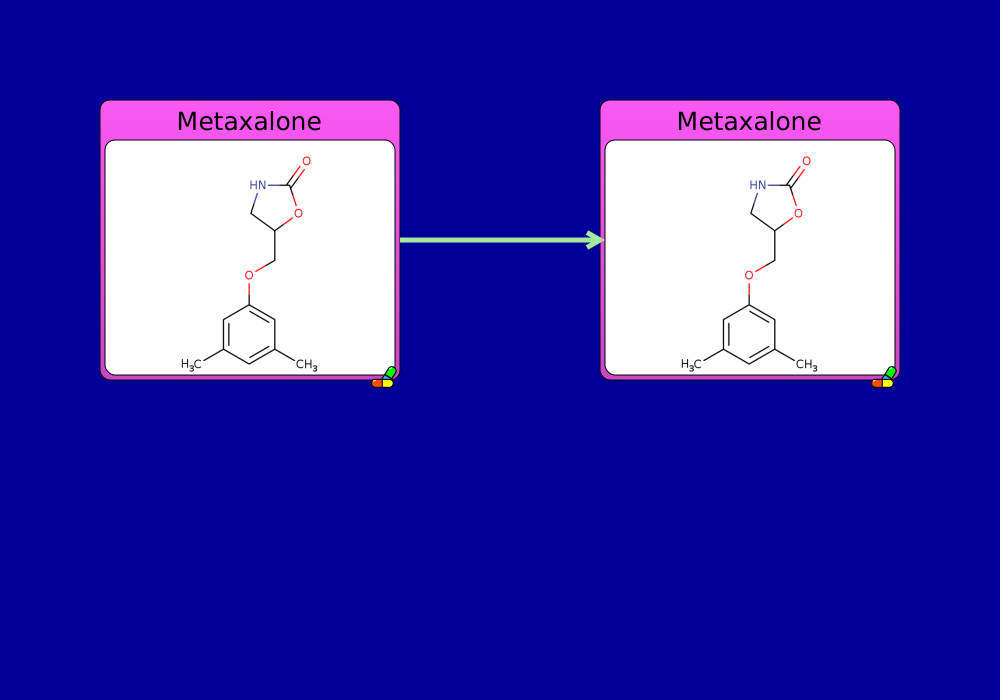 View Pathway
|
drug action
Metaxalone Drug Metabolism Action PathwayHomo sapiens
|
Creator: Ray Kruger Created On: October 07, 2023 at 14:23 Last Updated: October 07, 2023 at 14:23 |
PW176222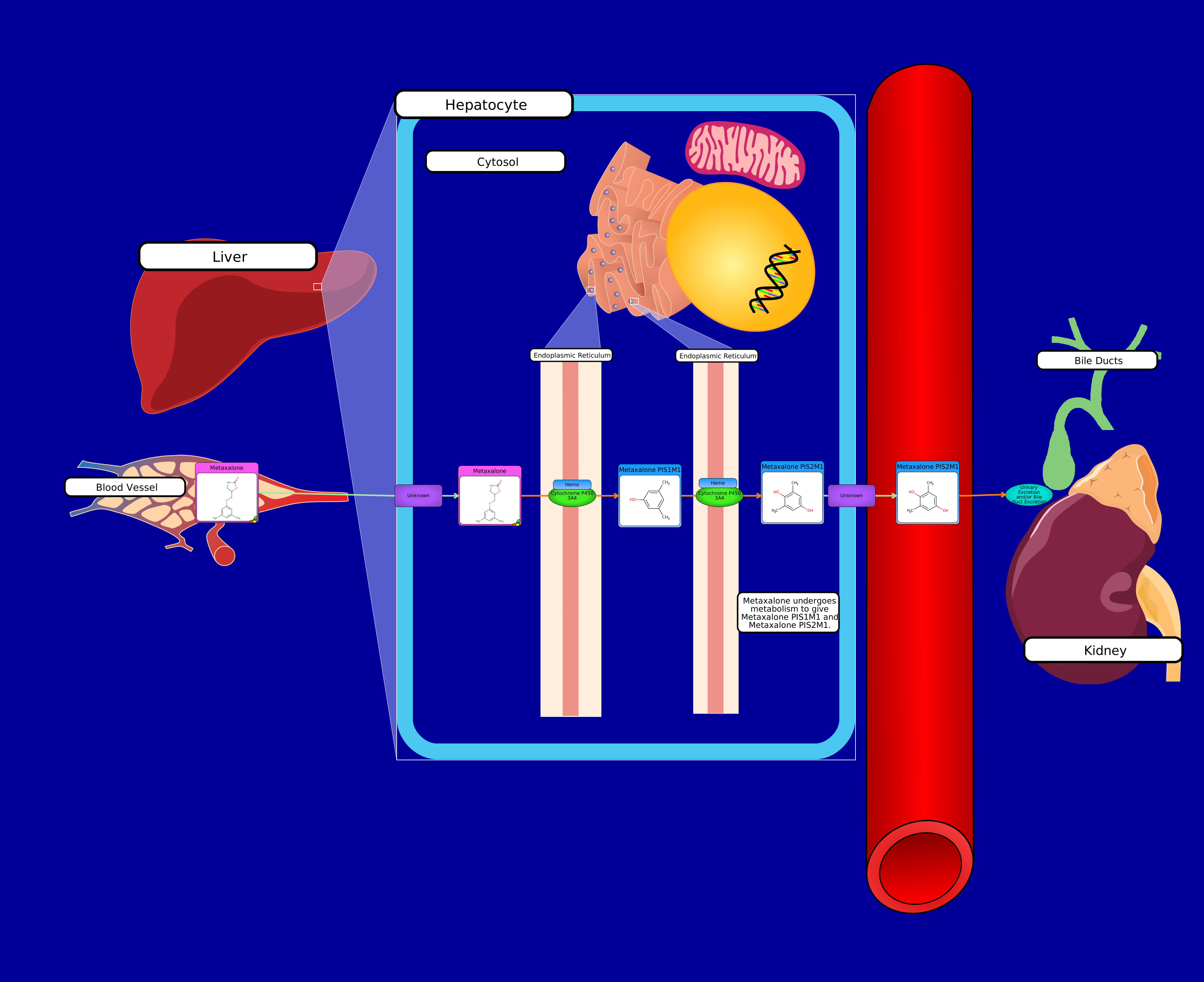 View Pathway
|
Metaxalone Predicted Metabolism PathwayHomo sapiens
Metabolites of Metaxalone are predicted with biotransformer.
|
Creator: Omolola Created On: December 04, 2023 at 12:52 Last Updated: December 04, 2023 at 12:52 |
PW146657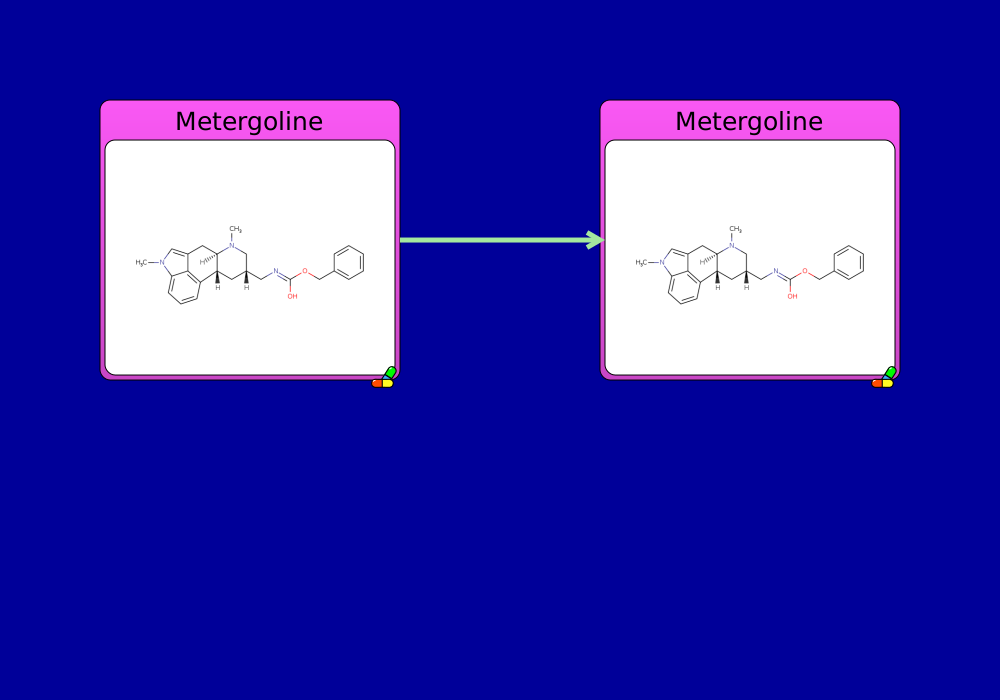 View Pathway
|
drug action
Metergoline Drug Metabolism Action PathwayHomo sapiens
|
Creator: Ray Kruger Created On: October 07, 2023 at 18:44 Last Updated: October 07, 2023 at 18:44 |
PW176498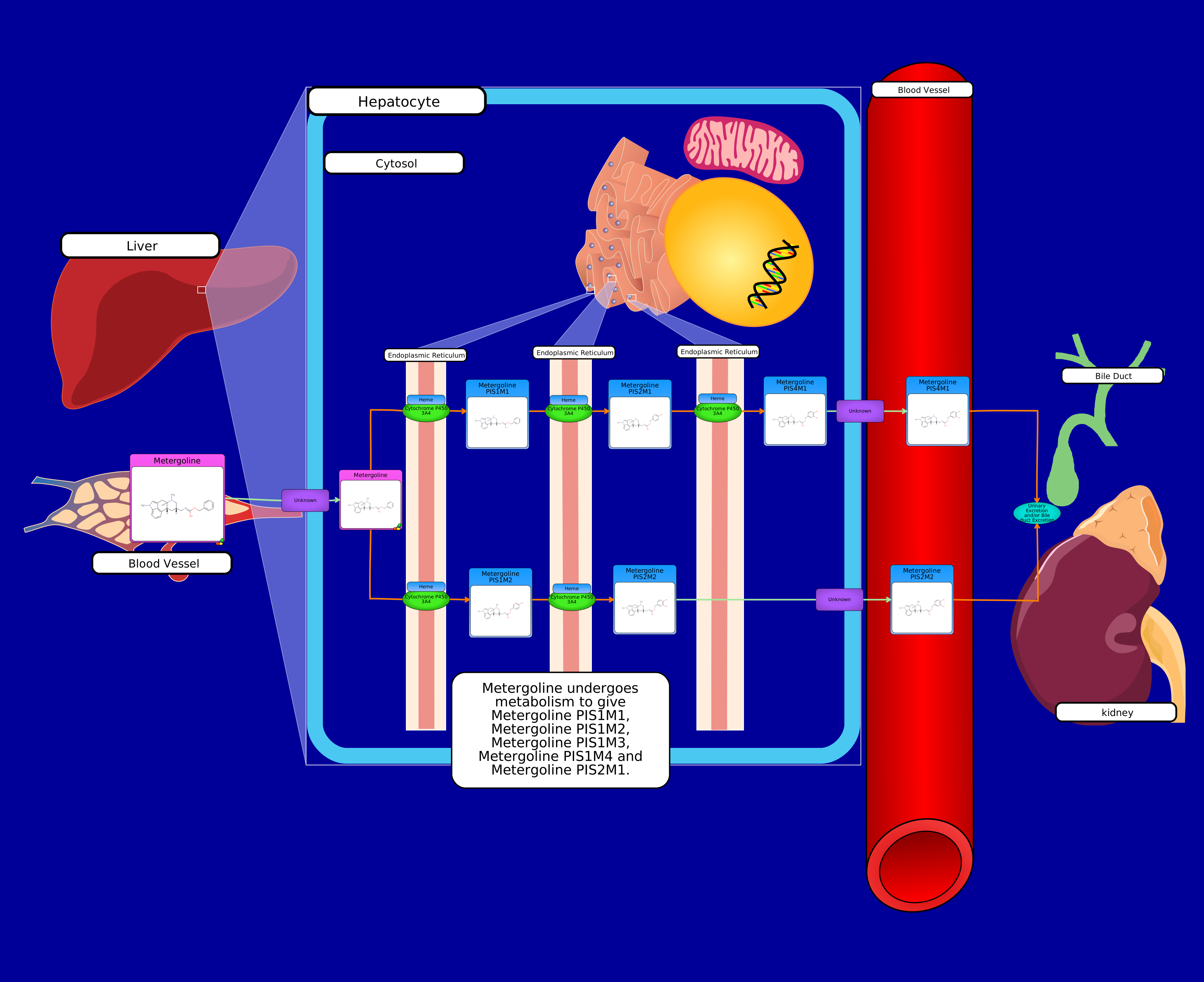 View Pathway
|
Metergoline Predicted Metabolism PathwayHomo sapiens
Metabolites of Metergoline are predicted with biotransformer.
|
Creator: Omolola Created On: December 13, 2023 at 12:49 Last Updated: December 13, 2023 at 12:49 |
PW126190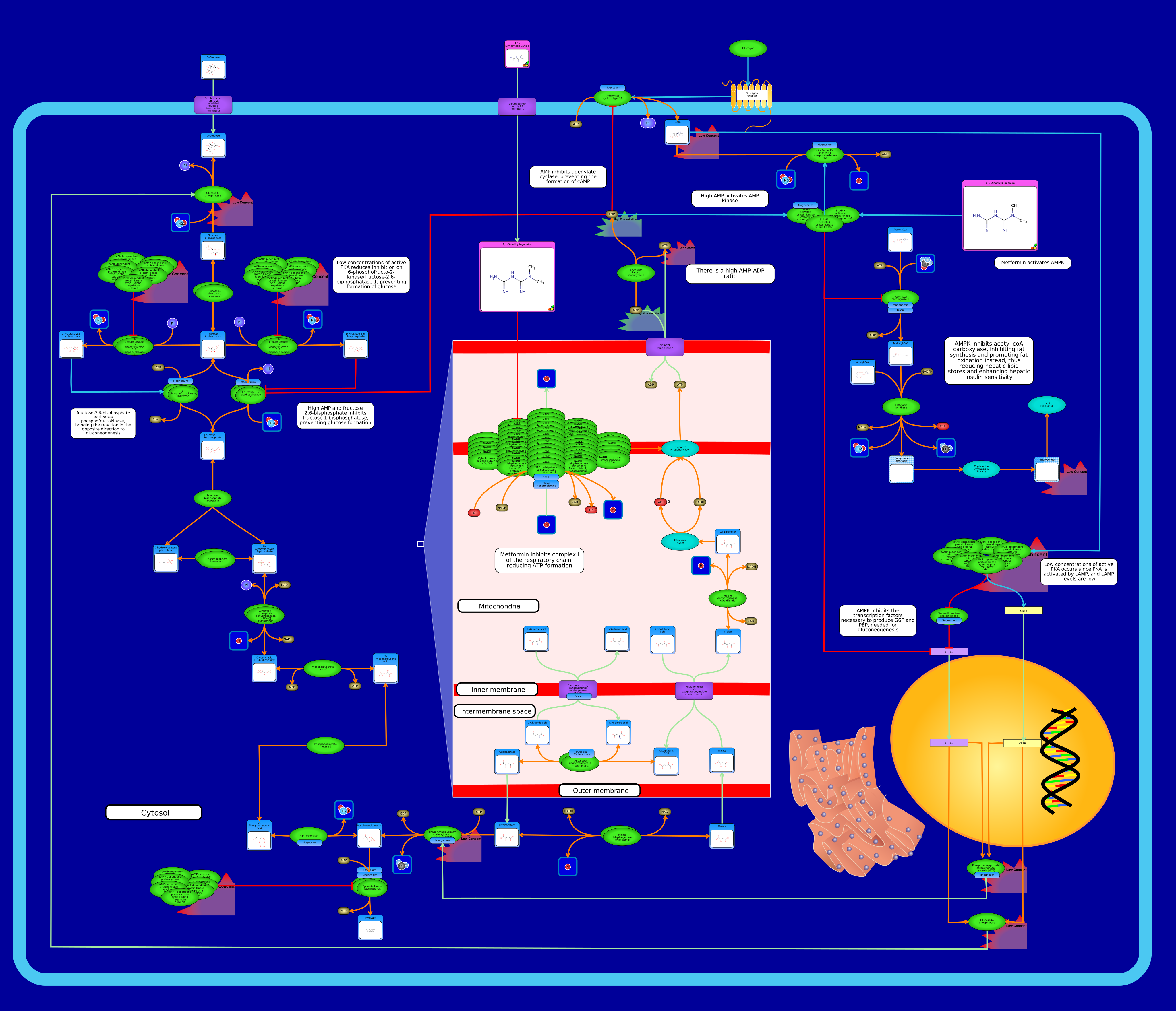 View Pathway
|
drug action
Metformin Action Pathway (New)Homo sapiens
Metformin is a biguanide drug used in conjunction with diet and exercise for glycemic control in type 2 diabetes mellitus and used off-label for insulin resistance in polycystic ovary syndrome (PCOS). After ingestion, the organic cation transporter-1 (OCT1) is responsible for the uptake of metformin into hepatocytes (liver cells). Metformin inhibits complex I of the mitochondrial respiratory chain, preventing ATP production and increasing ADP: ATP and AMP:ATP ratios in the cytosol. High AMP:ATP ratio inhibit fructose 1,6-bisphosphate, preventing gluconeogenesis. High AMP:ATP ratios also inhibits cAMP production by inhibiting adenylate cyclase. cAMP is responsible for activating protein kinase A (PKA). PKA inhibits 6-phosphofructo-2-kinase/fructose-2,6-biphosphatase 1 and pyruvate kinase and driving gluconeogenesis. PKA may also activate transcription factors (cAMP response element binding protein) which induce transcription of the genes encoding the gluconeogenic enzymes, phosphoenolpyruvate carboxykinase and glucose-6-phosphatase. By preventing PKA activation, this drives glycolysis over gluconeogenesis. High AMP:ATP ratio also activates AMP kinase (AMPK). Metformin also activates AMPK via lysosomal mechanisms. AMPK induces cAMP breakdown, to further prevent PKA activation. AMPK also inhibit transcription factors preventing transcription of the genes encoding the gluconeogenic enzymes, phosphoenolpyruvate carboxykinase and glucose-6-phosphatase. AMPK also affect fats by inhiting Acetyl-coA carboxylase, thereby inhibiting fat synthesis and promoting fat oxidation instead, thus reducing hepatic lipid stores and enhancing hepatic insulin sensitivity. Overall, metformin improves insulin sensitivity by increasing fatty acid oxidation, reducing fatty acid synthesis and inhbiting gluconeogenesis. This leads to lower blood glucose and triglycerides level, and is effective in controlling diabetes. The major side effect of metformin include gastrointestinal effects such as diarrhea, abdominal pain, nausea, anorexia, metallic taste.
|
Creator: Karxena Harford Created On: August 11, 2021 at 05:13 Last Updated: August 11, 2021 at 05:13 |
PW132301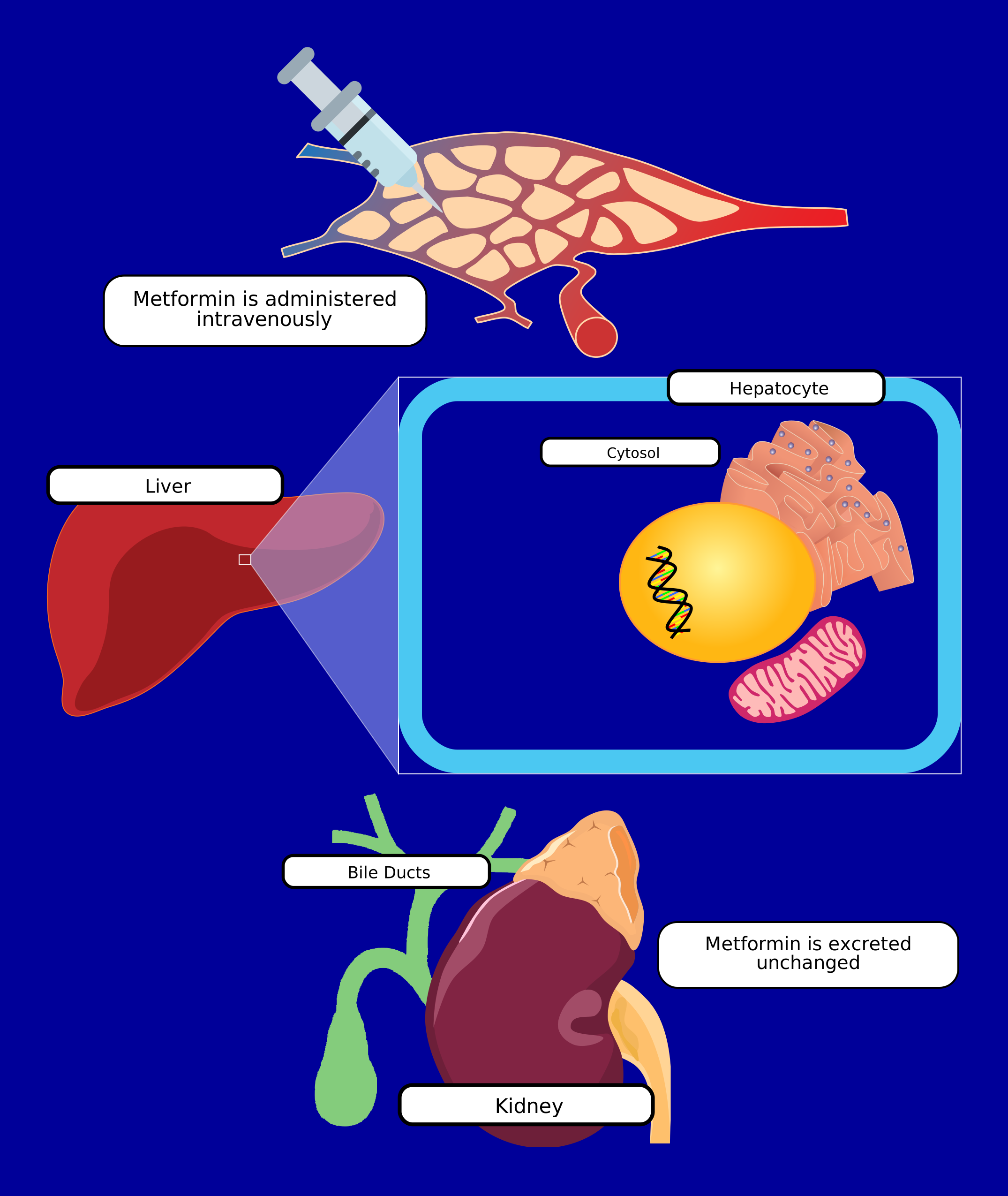 View Pathway
|
Metformin Drug MetabolismHomo sapiens
Metformin is a drug that is not metabolized by the human body as determined by current research and biotransformer analysis. Metformin passes through the liver and is then excreted from the body mainly through the kidney.
|
Creator: Ray Kruger Created On: September 21, 2023 at 20:45 Last Updated: September 21, 2023 at 20:45 |
PW132402 View Pathway
|
Methacholine Drug MetabolismHomo sapiens
Methacholine is a drug that is not metabolized by the human body as determined by current research and biotransformer analysis. Methacholine passes through the liver and is then excreted from the body mainly through the kidney.
|
Creator: Ray Kruger Created On: September 21, 2023 at 21:29 Last Updated: September 21, 2023 at 21:29 |
PW145750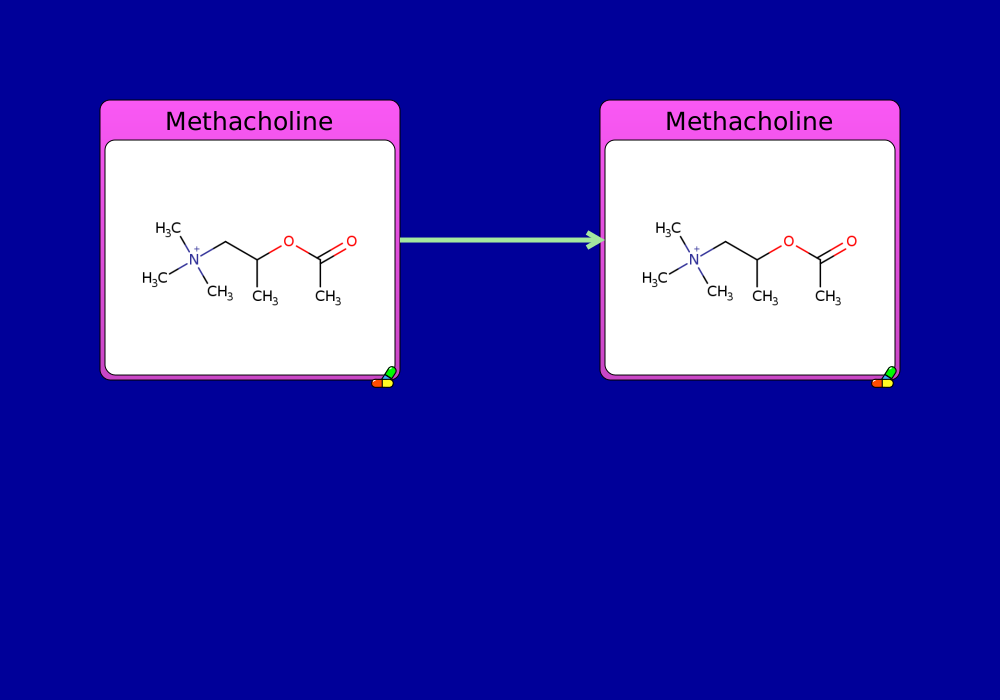 View Pathway
|
drug action
Methacholine Drug Metabolism Action PathwayHomo sapiens
|
Creator: Ray Kruger Created On: October 07, 2023 at 16:33 Last Updated: October 07, 2023 at 16:33 |