
Browsing Pathways
Showing 368101 -
368110 of 605359 pathways
| PathBank ID | Pathway Name and Description | Pathway Class | Chemical Compounds | Proteins |
|---|---|---|---|---|
SMP0123245 View Pathway
|
SOLIS MONROY JOSE EDUARDOhuman
|
Metabolite
Metabolic
|
||
SMP0123253 View Pathway
|
ValsartanHomo sapiens
Valsartan undergoes minimal liver metabolism and is not biotransformed to a high degree, as only approximately 20% of a single dose is recovered as metabolites. The primary metabolite, accounting for about 9% of dose, is valeryl 4-hydroxy valsartan. In vitro metabolism studies involving recombinant CYP 450 enzymes indicated that the CYP 2C9 isoenzyme is responsible for the formation of valeryl-4-hydroxy valsartan. Valsartan does not inhibit CYP 450 isozymes at clinically relevant concentrations. CYP 450 mediated drug interaction between valsartan and coadministered drugs are unlikely because of the low extent of metabolism. (DrugBank)
|
Metabolite
Metabolic
|
||
SMP0123258 View Pathway
|
Arbutamine Action PathwayHomo sapiens
Arbutamine is a synthetic catecholamine non-selective beta-adrenergic agonist. It is administered a closed-loop, computer-controlled drug-delivery system and is indicated to elicit acute cardiovascular responses, similar to a response by exercise. This is used for diagnosing the presence or absence of coronary artery disease in patients who cannot exercise properly and is used to treat conditions including mild or transient episodes of heart block that doesn't require pacing, extreme cases of heart block and Adams-Stokes attacks (except when caused by ventricular tachycardia or fibrillation), cardiac arrest until electric shock or pacemaker therapy is available, bronchospasm occurring during anesthesia, and as an adjunct to in the treatment of hypovolemic and septic shock, low cardiac output states, congestive heart failure, and cardiogenic shock.
The actions of arbutamine are mostly observed in heart muscle, where it binds to beta-1 adrenergic receptors, and smooth muscle (bronchi, blood vessel, GI tract and uterus), where it exerts it’s effects via beta-2 adrenergic receptors.
In the heart, arbutamine binds to and activates the beta-1 adrenergic receptor, which is coupled to the G-protein signaling cascade. Activation of the receptor activates the signaling cascade which leads to activated protein kinase. Protein kinase activates calcium channels in the membrane, causing them to open and allow Ca2+ to enter the cell. Due to this effect, there is high concentration of Ca2+ in the cell. Ca2+ activates the ryanodine receptor on the sarcoplasmic reticulum, which transports Ca2+ from the sarcoplasmic reticulum into the cytosol. the high concentration of Ca2+ in the cytosol binds to troponin to cause muscle contraction. The high concentration of Ca2+ means that more Ca2+ binds to troponin, increasing inotropy.
In non-cardiac myocytes, an increase in intracellular Ca2+ increases the slop of phase 4 of the action potential. The threshold is reached faster, therefore, the heart rate is increased.
In the smooth muscle, Ca2+-calmodulin complex activates myosin-LC kinase which activates myosin-LC. The activated myosin-LC causes contraction.
Arbutamine binds to and activates beta-2 adrenergic receptor, activating the G-protein signaling cascade. The G-protein signaling cascade produces cAMP, which inhibits myosin-LC kinase. This prevents the activation of myosin-LC and as a result, decreases smooth muscle contraction.
Possible side effects from taking isoprenaline include headache, dizziness, upset stomach, flushing, fatigue, nervousness, angina, hypotension, hypertension, palpitations, ventricular arrhythmia, tachycardia, adams-stokes syndrome, dyspnea, edema, blurred vision, nausea, vomiting, tremor, weakness.
Arbutamine is used over isoprenaline because the degree of hypotension that occurs is less with arbutamine because alpha receptor activity is retained.
|
Metabolite
Drug Action
|
|
|
SMP0123260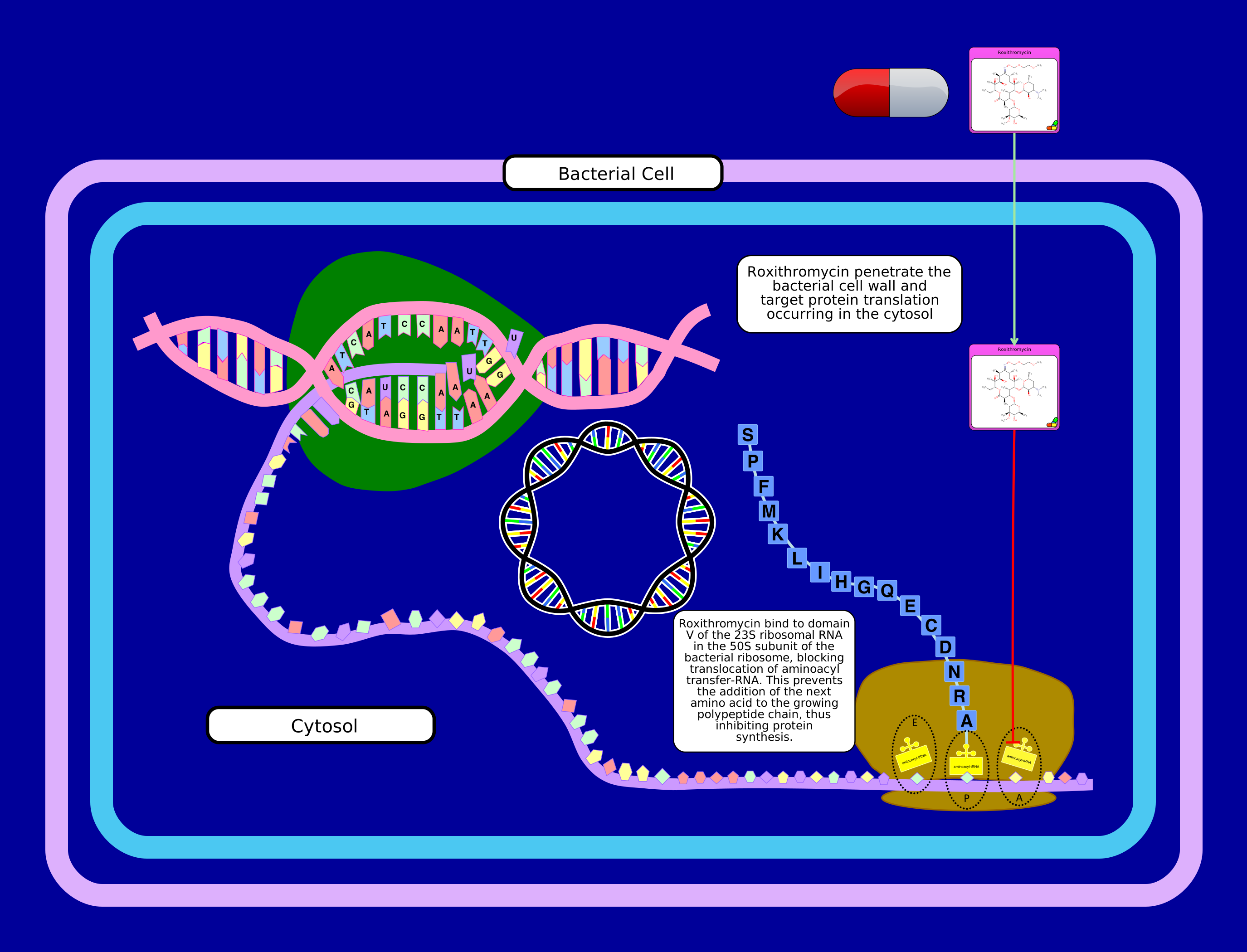 View Pathway
|
Roxithromycin Anti=Bacterial Action PathwayHomo sapiens
Roxithromycin is an oral antibiotic drug used for the treatment of bacterial infections including acute otitis media caused by H. influenzae, M. catarrhalis, or S. pneumoniae in patients with a history of type I penicillin hypersensitivity, pharyngitis and tonsillitis caused by susceptible Streptococcus pyogenes, respiratory tract infections including acute maxillary sinusitis, acute bacterial exacerbations of chronic bronchitis, mild to moderate community-acquired pneuomia, Legionnaires' disease, and pertussis, skin or skin structure infections, helicobacter pylori infection, duodenal ulcer disease, bartonella infections, early Lyme disease, and encephalitis caused by Toxoplasma gondii (in HIV infected patients in conjunction with pyrimethamine). Roxithromycin penetrates the bacterial cell wall of usually gram negative bacteria and act synergistically to inhibit protein synthesis. These compounds act by binding to domain V of the 23S ribosomal RNA of the 50S subunit of the bacterial ribosome. This inhibits translocation of the aminoacyl transfer-RNA, preventing the addition of the next amino acid to the growing polypeptide chain. As a result, protein synthesis is inhibited, preventing bacterial growth and this may even kill the bacteria. Roxithromycin was shown to be more effective against certain Gram-negative bacteria, particularly Legionella pneumophila.
|
Metabolite
Drug Action
|
|
|
SMP0123265 View Pathway
|
Long-chain acylcarnitine-induced lipotoxicityHomo sapiens
|
Metabolite
Physiological
|
|
|
SMP0123272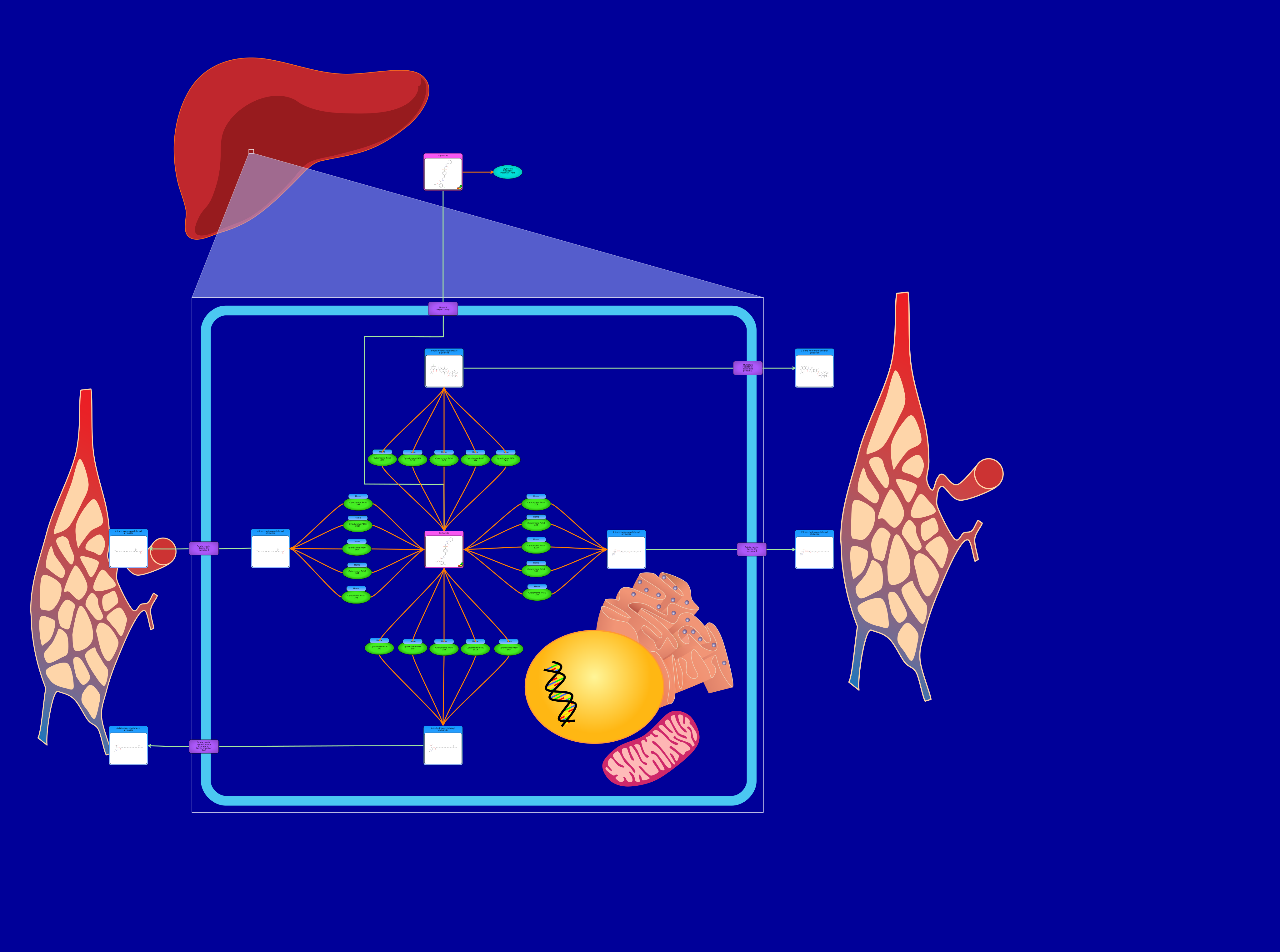 View Pathway
|
Glyburide Metabolic Pathway - Part 1Homo sapiens
Glyburide is metabolized mainly by CYP3A4, followed by CYP2C9, CYP2C19, CYP3A7, and CYP3A5. These enzymes metabolize glyburide to 4-trans-hydroxycyclohexyl glyburide (M1), 4-cis-hydroxycyclohexyl glyburide (M2a), 3-cis-hydroxycyclohexyl glyburide (M2b), 3-trans-hydroxycyclohexyl glyburide (M3), 2-trans-hydroxycyclohexyl glyburide (M4), and ethylhydroxycyclohexyl glyburide (M5). The M1 and M2b metabolites are considered active, along with the parent molecule. (DrugBank)
3-cis-hydroxycyclohexyl glyburide is included on a separate pathway which is linked through a sub-pathway (Glyburide Metabolic Pathway - Part 2)
|
Metabolite
Metabolic
|
|
|
SMP0123277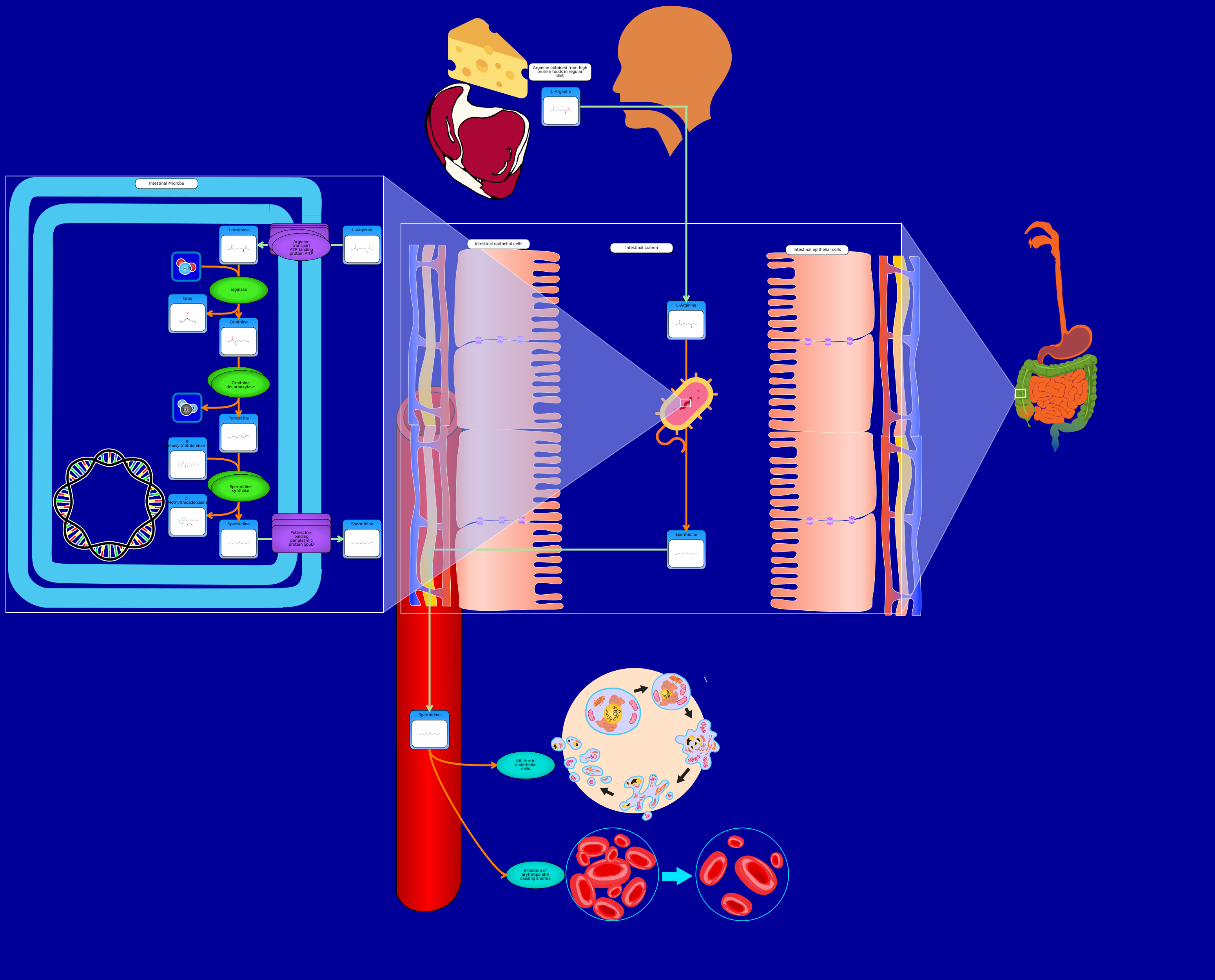 View Pathway
|
Metabolism and Physiological Effects of SpermidineHomo sapiens
Spermidine is an aliphatic amine that is formed through gut microbial metabolism from the amino acid arginine which is acquired from foods that are high in protein. After being transported into gut microbes, arginine undergoes 2 reactions with the enzymes Arginase and Ornithine Decarboxylase to first form the polyamine putrescine. Then putrescine undergoes a further reaction involving the enzyme spermidine synthase to form spermidine. Like other polyamines, spermidine can also be obtained directly from diet as well. While spermidine can be beneficial and act as a scavenger of reactive oxygen species protecting DNA from oxidative damage, at high levels it is also a protein bound uremic toxin found in the body that can inhibit erythropoietin production eventually leading to anemia.
|
Metabolite
Metabolic
|
||
SMP0123284 View Pathway
|
VincristineHomo sapiens
Vincristine is a vinca alkaloid derived from the Vinca Rosea as is marketed as Marqibo and Vincasar. Vincristine are used as chemotherapy medication such as an antimitotic anticancer agent. The mechanism of vincristine is the inhibition of microtubule dynamics that would cause mitotic arrest and eventual cell death. As a microtubule destabilizing agent, Vincristine stimulates mitotic spindle destruction and microtubule depolymerization at high concentrations. At lower clinically relevant concentrations, vincristine can block mitotic progression. Unlike the taxanes, which bind poorly to soluble tubulin, vincristine can bind both soluble and microtubule-associated tubulin. To be able stabilizing the kinetics of microtule, vincristine rapidly and reversibly bind to soluble tubulin which can increase the affinity of tublin by the induction of conformational changes of tubulin. Vincristine binds to β-tubulin subunits at the positive end of microtubules at a region called the _Vinca_-binding domain. Binding between vincristine and solubale tubulin decreases the rate of microtubule dynamics (lengthening and shortening) and increases the duration of attenuated state of microtubules. Therefore, the proper assembly of the mitotic spindle could be prevented; and the tension at the kinetochores of the chromosomes could be reduced. Subsequently, chromosomes can not progress to the spindle equator at the spindle poles. Progression from metaphase to anaphase is blocked and cells enter a state of mitotic arrest. The cells may then undergo one of several fates. The tetraploid cell may undergo unequal cell division producing aneuploid daughter cells. Alternatively, it may exit the cell cycle without undergoing cell division, a process termed mitotic slippage or adaptation. These cells may continue progressing through the cell cycle as tetraploid cells (Adaptation I), may exit G1 phase and undergo apoptosis or senescence (Adaption II), or may escape to G1 and undergo apoptosis during interphase (Adaptation III). Another possibility is cell death during mitotic arrest. Alternatively, mitotic catastrophe may occur and cause cell death. Vinca alkaloids are also thought to increase apoptosis by increasing concentrations of p53 (cellular tumor antigen p53) and p21 (cyclin-dependent kinase inhibitor 1) and by inhibiting Bcl-2 activity. Increasing concentrations of p53 and p21 lead to changes in protein kinase activity. Phosphorylation of Bcl-2 subsequently inhibits the formation Bcl-2-BAX heterodimers. This results in decreased anti-apoptotic activity. One way in which cells have developed resistance against the vinca alkaloids is by drug efflux. Drug efflux is mediated by a number of multidrug resistant transporters as depicted in this pathway.
|
Metabolite
Drug Action
|
||
SMP0123289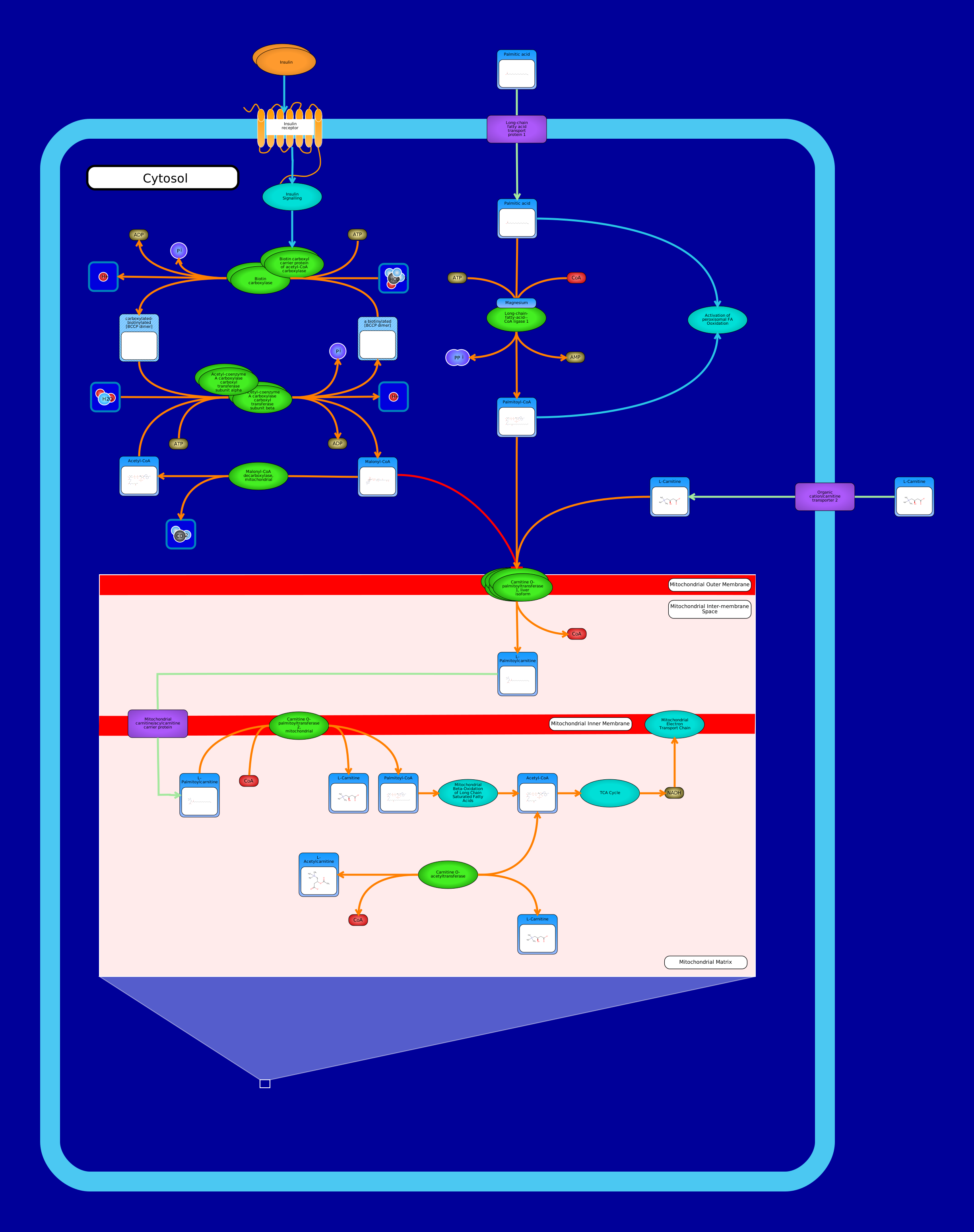 View Pathway
|
Targets for the reduction of acylcarnitine contentHomo sapiens
|
Metabolite
Metabolic
|
|
|
SMP0123295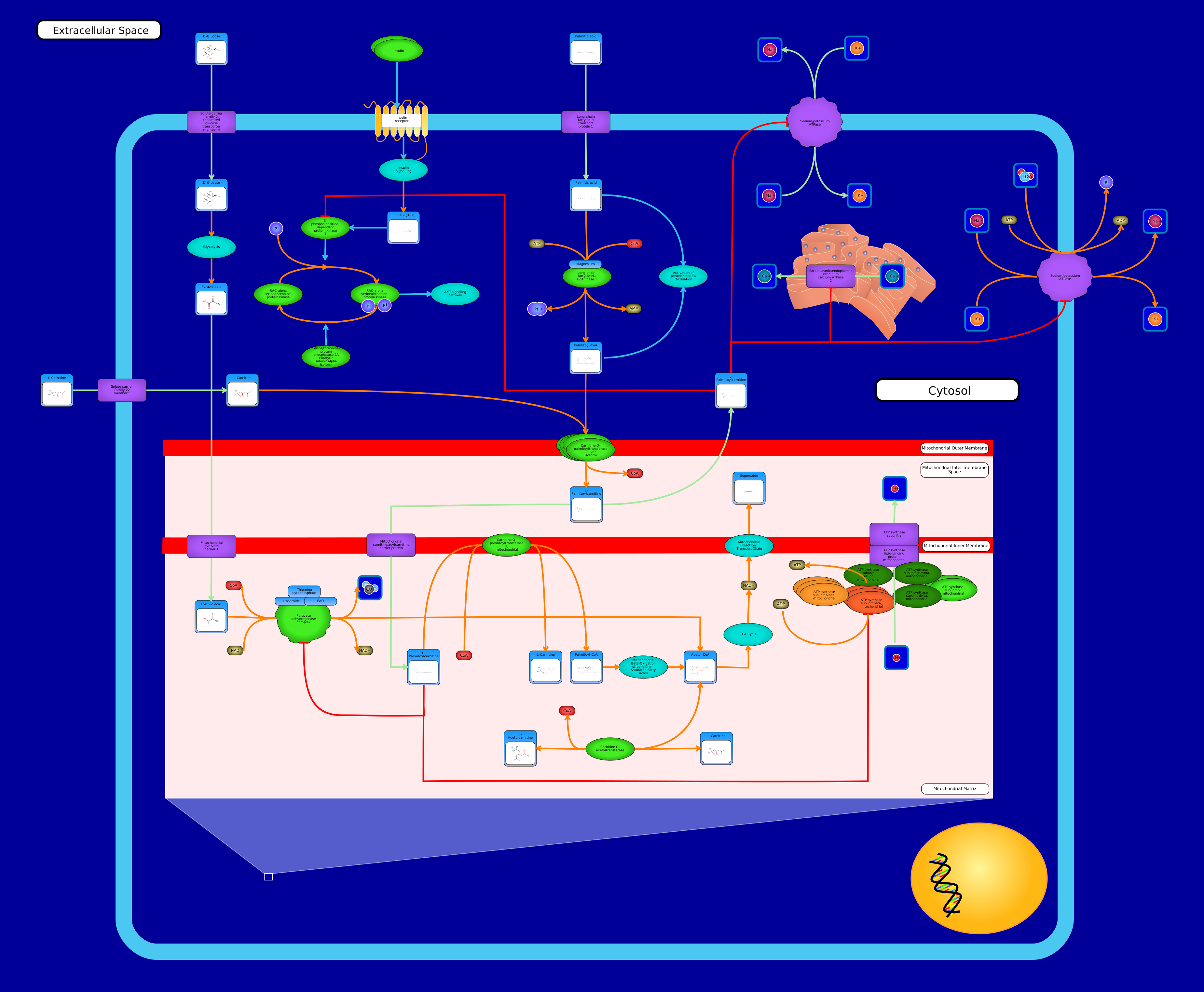 View Pathway
|
Long-Chain Acylcarnitine-induced lipotoxicity: targets for treatmentHomo sapiens
|
Metabolite
Metabolic
|
|
|
Showing 368101 -
368110 of 540746 pathways